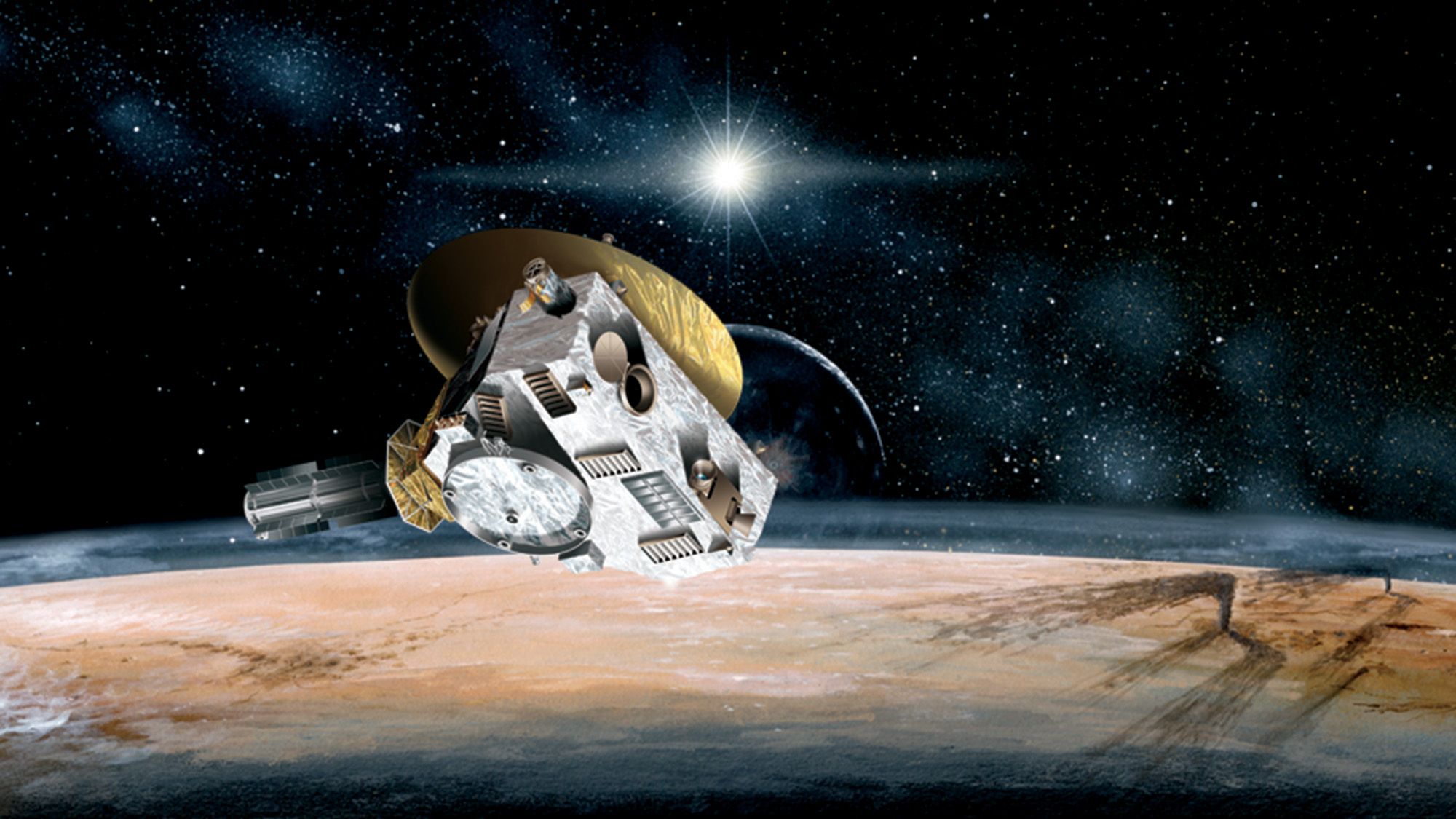
NASA's New Horizons spacecraft has awakened after 321 days in hibernation, marking the start of another phase of research far beyond Pluto. The agency said the probe returned in good health, an important milestone for a mission operating at the outer edge of the solar system.
The wake-up signals that New Horizons is ready to resume science work in a region few spacecraft have explored. Its distance from Earth and its long-duration flight make each successful restart significant, especially for a mission described as record-breaking.
NASA's update highlights the unusual way deep-space probes manage power and systems over long stretches of time. Hibernation allows a spacecraft to conserve resources while still staying prepared for future observations and mission checks.
With New Horizons active again, scientists can continue gathering data from one of the most remote frontiers ever studied by a functioning spacecraft. The mission remains a rare opportunity to expand knowledge of the solar system beyond Pluto.