Researchers reporting in Nature describe a high-resolution developmental map of the Drosophila melanogaster nerve cord, offering new detail on how neurons acquire their identities as the nervous system forms. The work points to a broad molecular program that appears to track when a neuron is born and helps organize the wide variety of nerve cell types.
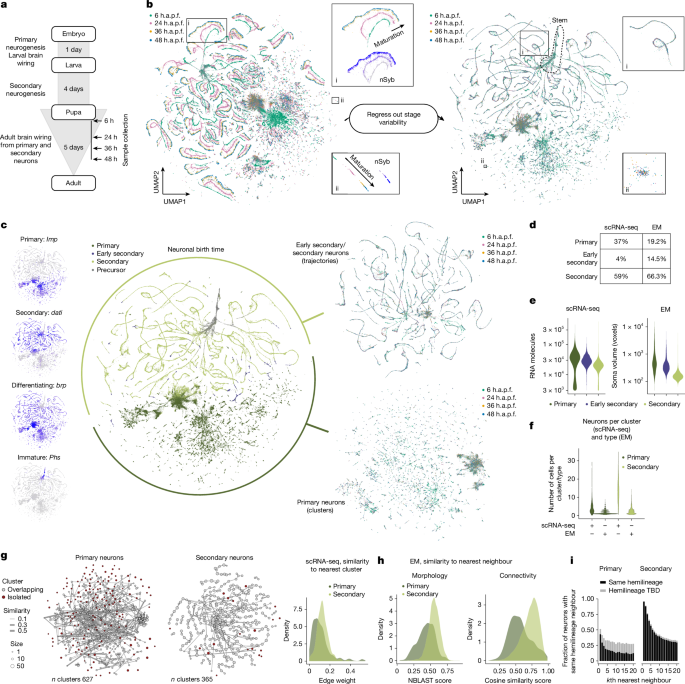
The study centers on a transcriptional atlas built from single-cell RNA sequencing data. By examining gene activity cell by cell, the researchers were able to compare developmental states across the fruit fly ventral nerve cord and look for patterns that distinguish one neuronal identity from another.
According to the report, the team also used flies from different genetic backgrounds to help separate technical noise from true biological differences in the sequencing data. That approach supported a cleaner view of the molecular signals associated with neuronal development and strengthened the case for a shared transcriptional code linked to birth order.
The findings add to a growing effort to understand how complex nervous systems are assembled from developing cells. In practical terms, the atlas provides a resource for studying how timing and gene expression combine to generate neuronal diversity in one of biology’s most widely used model organisms.





