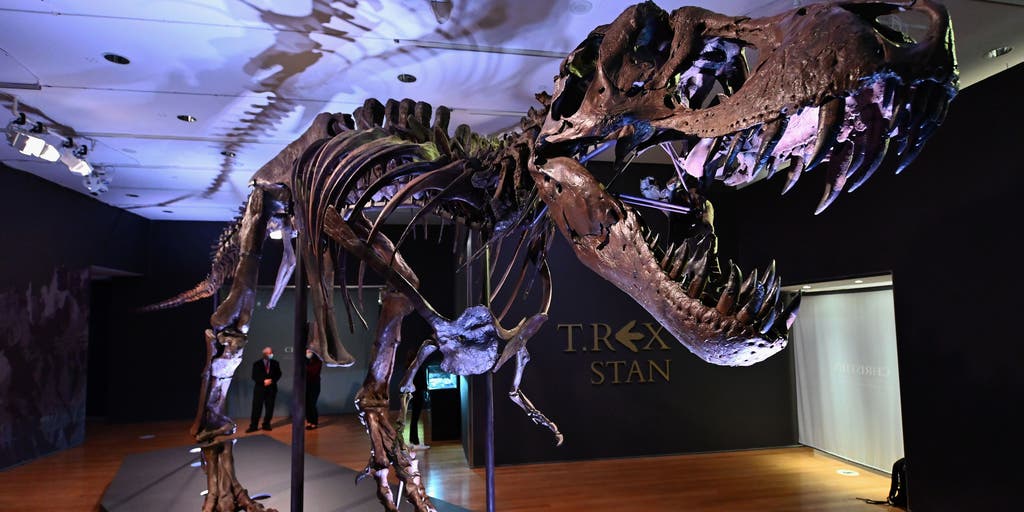
Researchers have identified what is being described as the first known foot bone from a baby Tyrannosaurus rex, a rare fossil that had been sitting among museum collections. The small bone is giving scientists a new way to study the earliest life stage of one of the most famous predators in prehistory.
Because fossils from very young T. rex individuals are extremely scarce, the find is important beyond its size. The bone offers clues about how large hatchlings may have been when they emerged and helps researchers better understand the animal’s development soon after birth.
The discovery is also shedding light on T. rex reproduction. By studying the tiny foot bone, scientists can make broader estimates about what hatchlings were like and how many eggs may have been laid in a clutch, adding detail to a part of the species’ life cycle that has long remained uncertain.
The finding highlights the scientific value of museum collections, where overlooked specimens can still lead to major discoveries. In this case, a small fossil from a baby dinosaur is helping fill in a major gap in what researchers know about Tyrannosaurus rex from the very beginning of its life.