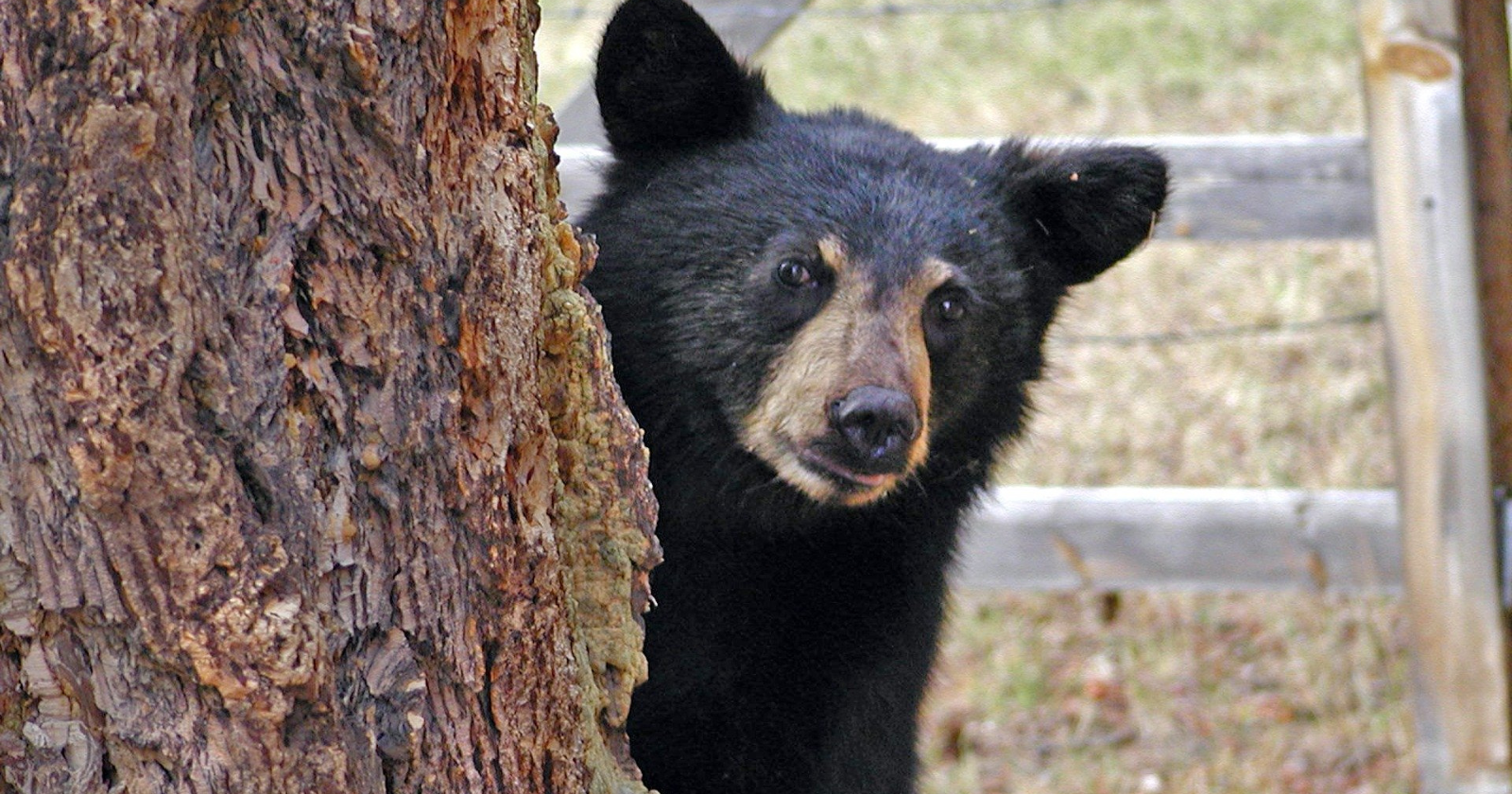
American black bears undergo an extreme slowdown during hibernation. Their heart rate can drop from about 55 beats per minute in summer to the single digits, while breathing also becomes rare, creating a state that resembles near-suspended animation.
What makes this especially important to researchers is what does not happen. After months of inactivity, bears typically emerge in spring with very little muscle wasting or bone loss, a result that stands in sharp contrast to what prolonged bed rest or low-gravity conditions can do to the human body.
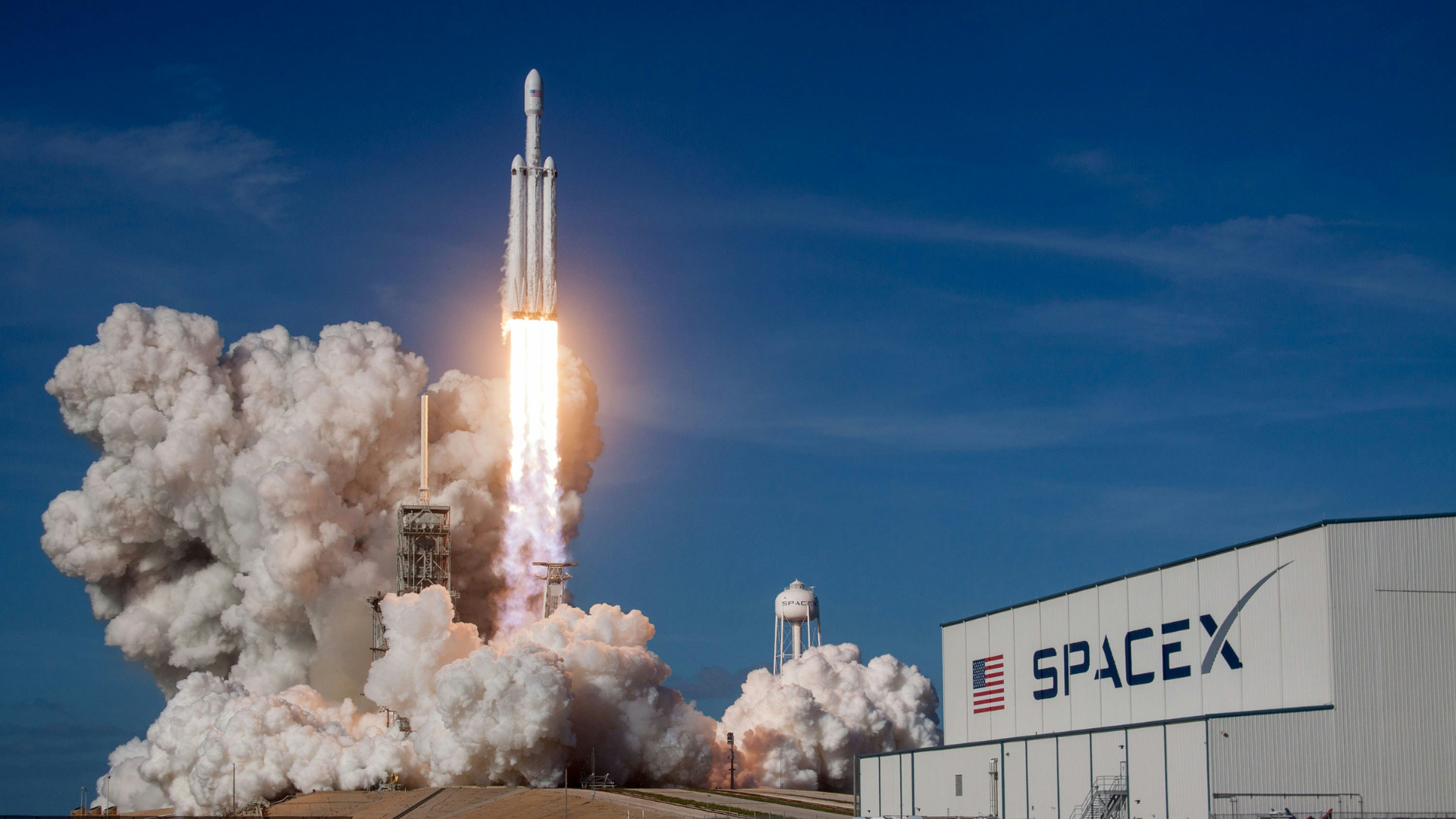
That biological advantage is now drawing attention from space agencies and scientists focused on long-duration missions. In space, astronauts face major challenges from muscle weakening and declining bone density, so understanding how bears preserve their bodies during hibernation could point to new protective strategies.
The research highlights a rare natural model for surviving extended inactivity without severe physical damage. By studying the mechanisms behind bear hibernation, scientists hope to uncover tools that could one day help humans travel farther in space while reducing the health risks of long journeys.