Tensions in the Middle East escalated further as US bombing of Iran continued for a 12th straight night and Iran responded with strikes across the Gulf. The latest reported retaliation focused especially on Kuwait and Jordan, adding to fears that the confrontation is spreading beyond a direct US-Iran exchange.
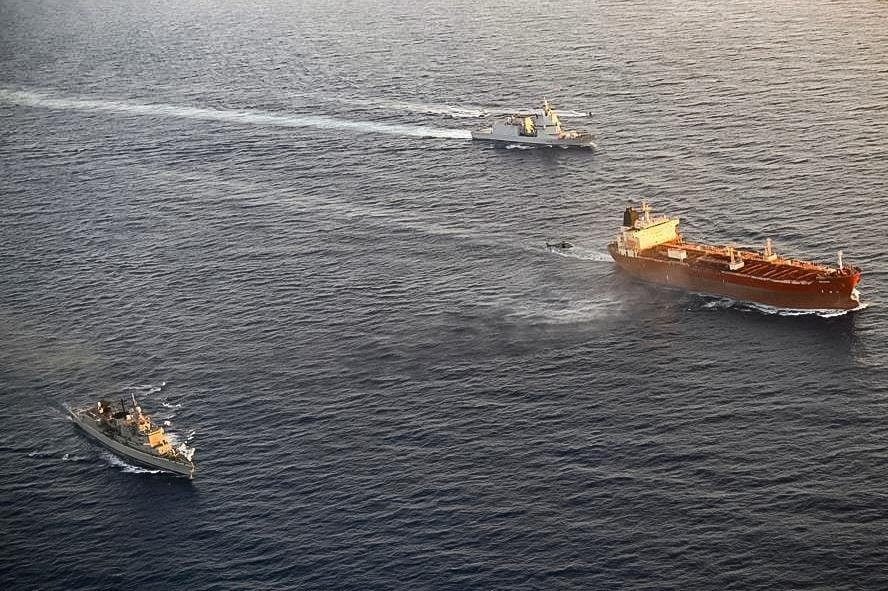
At sea, the pressure has intensified with tanker attacks linked to Iran and the Houthis. The disruption is no longer centered only on the Strait of Hormuz, a critical route for global energy supplies. With the Houthi naval blockade now affecting the Bab al-Mandeb as well, two of the region’s most important shipping corridors are under strain at the same time.
That broader maritime threat raises the risk of delays, rerouting and higher costs for commercial shipping. Any sustained danger to tankers moving through Hormuz or the Bab al-Mandeb could ripple into oil markets and supply chains, since both waterways are essential for trade between the Gulf, the Red Sea and beyond.
The overall picture is one of a fast-widening conflict zone, with military action in the air and growing insecurity at sea. As US attacks continue and Iran and the Houthis keep up pressure on regional shipping, concern is rising over how much further the crisis could spread.