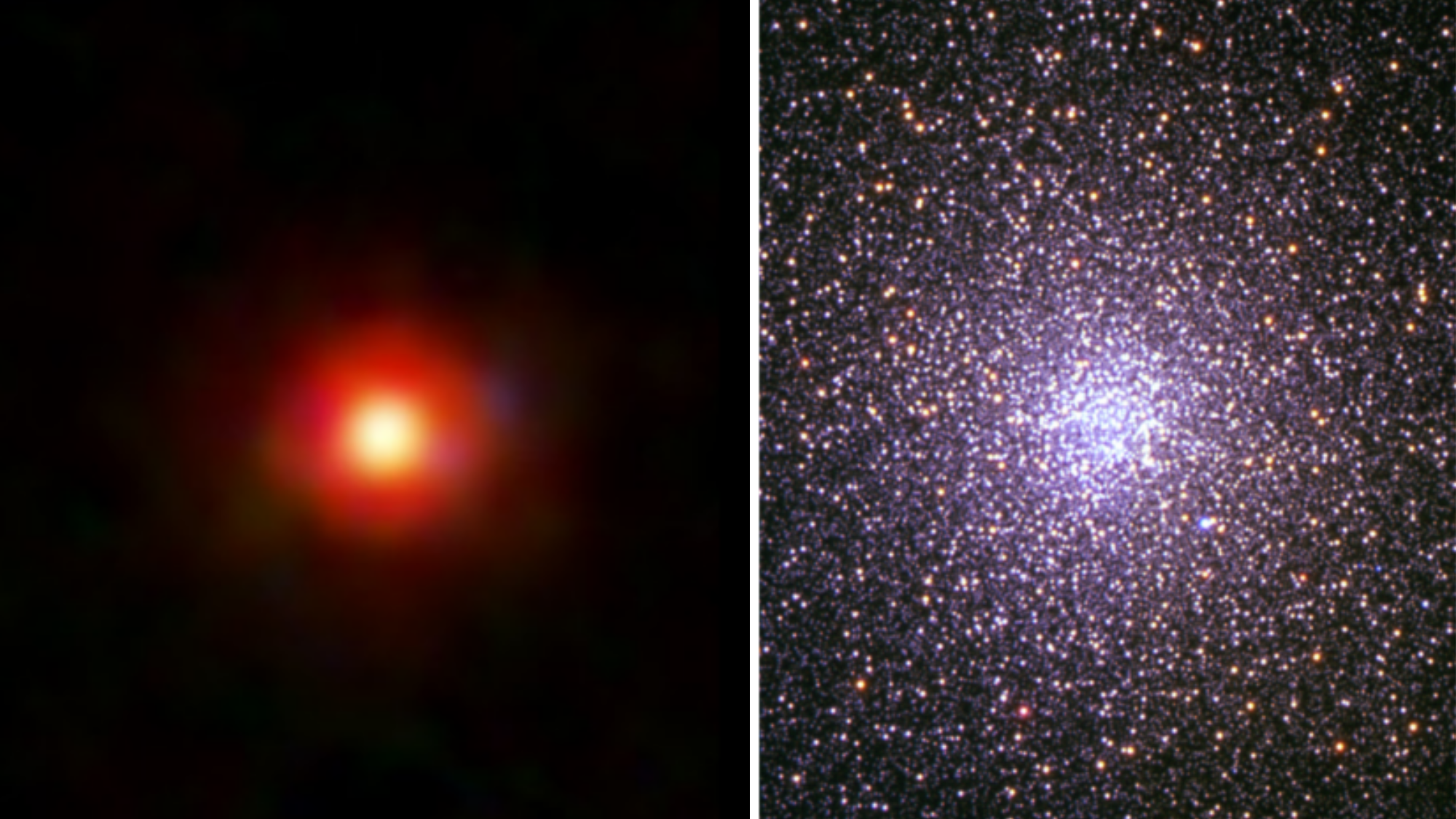
The James Webb Space Telescope's strange "Little Red Dots" are emerging as a bigger cosmic puzzle than first thought. These unusual objects, spotted in deep views of the distant universe, were initially tied to the universe's earliest eras. New reporting suggests they may not vanish with that period as neatly as expected.
Instead, Little Red Dots may continue beyond the early universe and gradually change into something more familiar to astronomers. That possibility shifts the focus from simply identifying what they are to understanding how they evolve over time. If they represent a stage in cosmic development rather than a brief anomaly, they could help connect mysterious early objects with better-known ones seen later in the universe's history.
That idea also creates a fresh problem for researchers. If the dots appear to disappear, the question may be whether they are truly gone or whether they have transformed into a form that is harder to recognize. In that case, the mystery is not just about where they came from, but what they become.
The James Webb Space Telescope is central to that effort because it can detect faint, distant objects in extraordinary detail. As scientists compare these red sources across different periods of cosmic time, Little Red Dots could become an important clue in understanding how the universe's earliest structures developed into the more familiar cosmos seen today.





