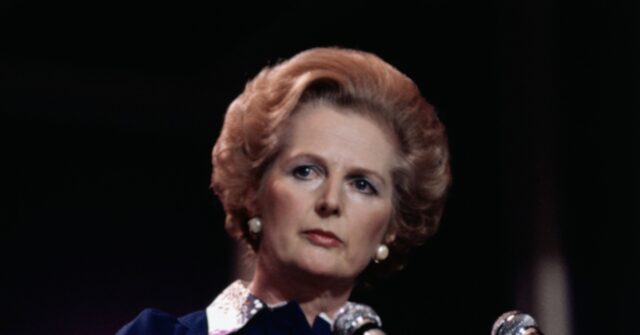
A petition is calling on Britain’s Labour government to put Margaret Thatcher’s public portrait back in its place at 10 Downing Street. The demand has brought renewed attention to how former prime ministers are represented inside the official residence and how political symbols can become flashpoints under a new administration.
According to the report, supporters of the petition want the portrait reinstated after it was removed from its previous position. The appeal argues that Thatcher, as one of the UK’s most consequential and divisive leaders, should continue to be publicly acknowledged at the heart of government regardless of the party currently in power.
The issue also carries wider political meaning because Thatcher remains a defining figure in modern British politics. For admirers, restoring the image would reflect respect for the office and the country’s political history. For critics, any decision involving Thatcher’s legacy is likely to trigger a broader debate about symbolism, memory and the tone set by the current government.
While the petition focuses on a single portrait, the dispute highlights how questions of display and recognition can quickly become political in Westminster. With Labour now in government, the call to return Thatcher’s portrait has added another layer to the ongoing argument over how Britain remembers its former leaders.