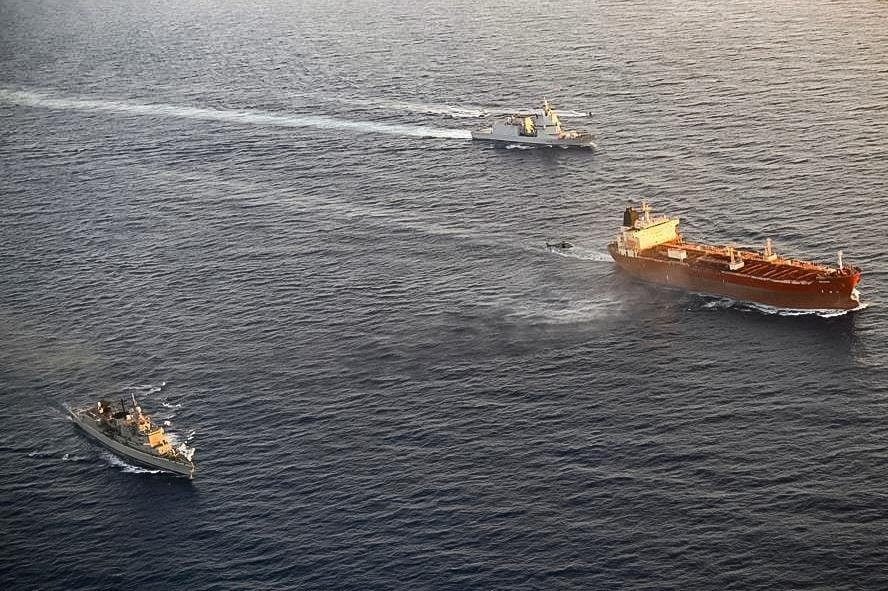
Naval blockades are again being treated as a powerful geopolitical tool, especially around narrow waterways that carry a large share of global trade. The article argues that strategic straits have become central pressure points in modern conflict, where disruption can quickly ripple through shipping, energy markets and regional security.
A key focus is the long-recognized vulnerability of places such as the Strait of Hormuz, where Iran has long been seen as capable of using geography to influence wider events. In that reading, control or disruption of maritime passage is not only a military issue but also a political lever that can raise costs for rivals and draw international attention.
The piece links that broader logic to the Houthis and the danger of a widening war. It suggests that attacks or blockades near vital sea lanes are part of a pattern in which regional actors use maritime pressure to shape conflicts beyond their immediate battlefield, increasing the risk that local confrontations spill into a larger struggle.
Trump is referenced as part of the wider political backdrop, with the article pointing to US policy and regional tensions as factors that can deepen escalation rather than contain it. The overall argument is that once shipping corridors become active fronts, even limited actions can magnify instability and make a broader war more likely.