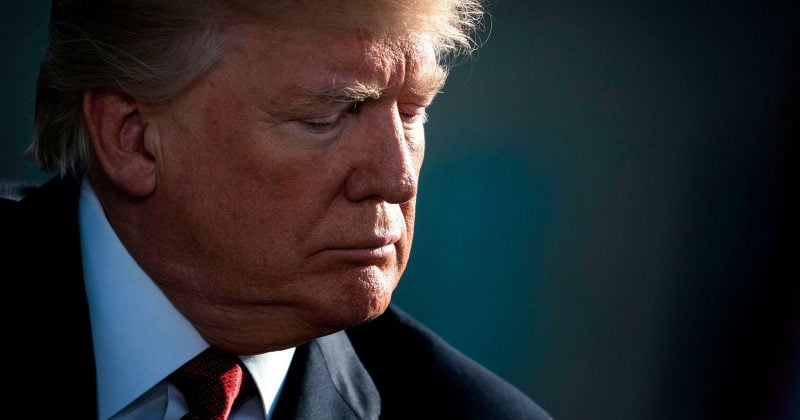
Donald Trump has tied a potential US-Saudi nuclear agreement to progress on Saudi Arabia's normalization with Israel, adding a new layer to already sensitive Middle East diplomacy. The approach links energy and security negotiations with the broader push to expand the Abraham Accords, making the proposed deal about more than civilian nuclear cooperation.
By connecting the two issues, Washington and Riyadh introduce a fresh geopolitical variable that could reshape regional bargaining power. Any movement toward Israel-Saudi normalization would carry strategic implications across the Middle East, while any delay or breakdown could complicate US efforts to build a wider diplomatic framework in the region.
The market impact extends beyond traditional politics. Macro-sensitive investors, including crypto traders, may now need to factor in a more complex regional risk backdrop as headlines around the deal develop. When major geopolitical negotiations become tied to multiple outcomes, risk assets can react quickly to both optimism and uncertainty.
For financial markets, the significance lies in the conditional nature of the arrangement. Progress on one front could influence expectations on the other, creating a tighter link between diplomacy, regional stability and investor sentiment. That makes the US-Saudi-Israel triangle an increasingly important story not only for foreign policy watchers, but also for traders tracking global risk conditions.