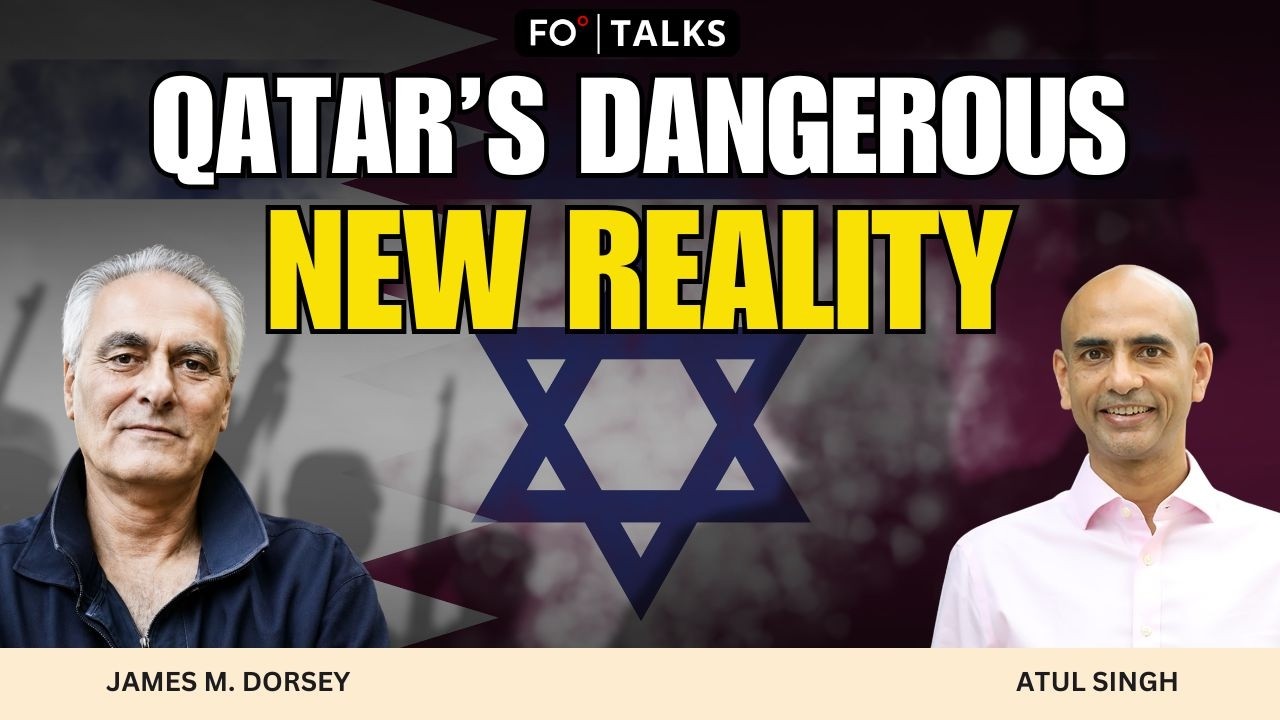
In this FO Talks discussion, Fair Observer Editor-in-Chief Atul Singh speaks with journalist and author James M. Dorsey about how Qatar is navigating the widening confrontation involving the US, Israel and Iran. The conversation places Qatar at the center of a volatile regional crisis, where its diplomatic posture and strategic importance make it especially exposed.
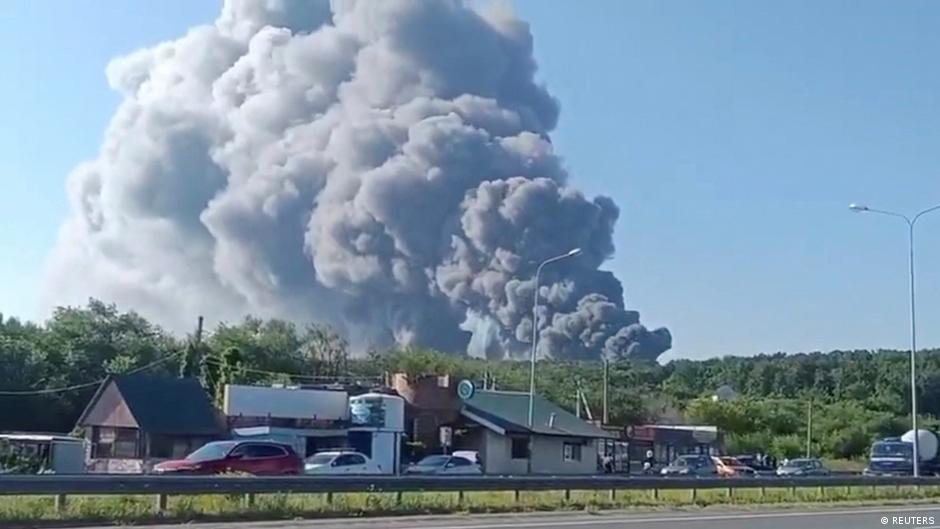
A key focus is the danger posed to Qatar’s critical energy infrastructure. Any attack on assets tied to gas production or export would have consequences well beyond the Gulf, given Qatar’s importance in global energy markets. The discussion highlights how infrastructure security has become inseparable from the broader military and political risks created by the conflict.
The exchange also looks at the limits of Qatar’s long-standing approach to regional diplomacy. Qatar has often tried to maintain channels with competing powers, but a larger war can narrow the space for balancing among rivals. As tensions rise, the country may find it harder to protect its interests through mediation, pragmatism and careful positioning alone.
Overall, the conversation presents Qatar as a small but highly consequential state facing outsized pressure from a fast-moving regional struggle. Its energy role, geography and diplomatic ties mean that developments affecting Qatar could shape not only Gulf stability, but also wider political and economic fallout from the US/Israel–Iran war.