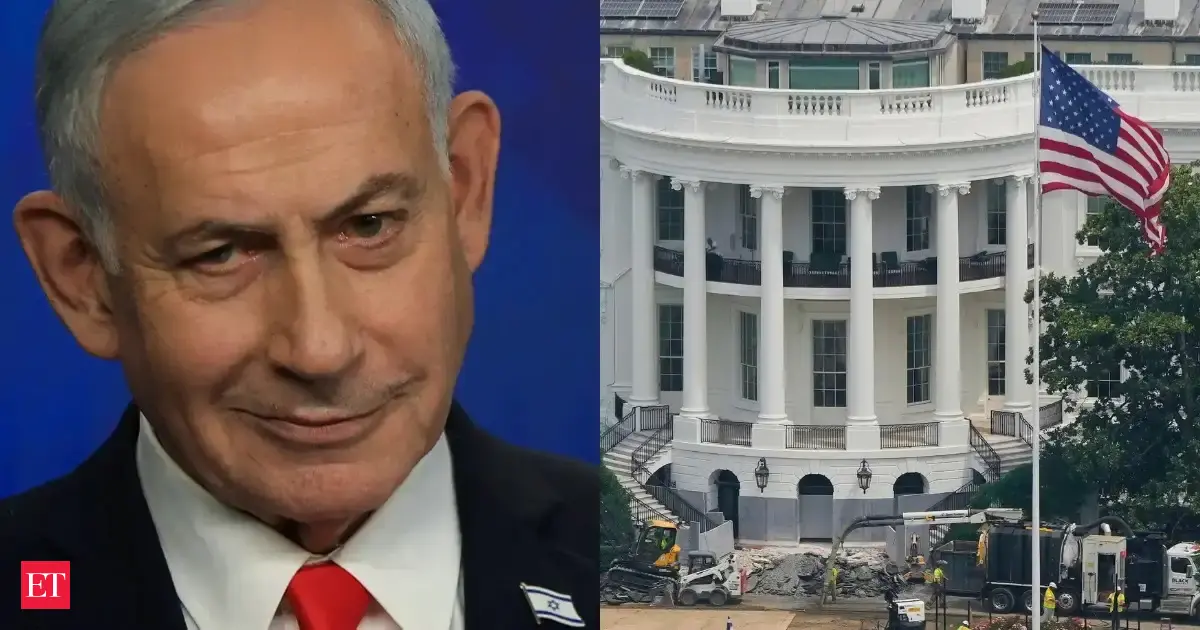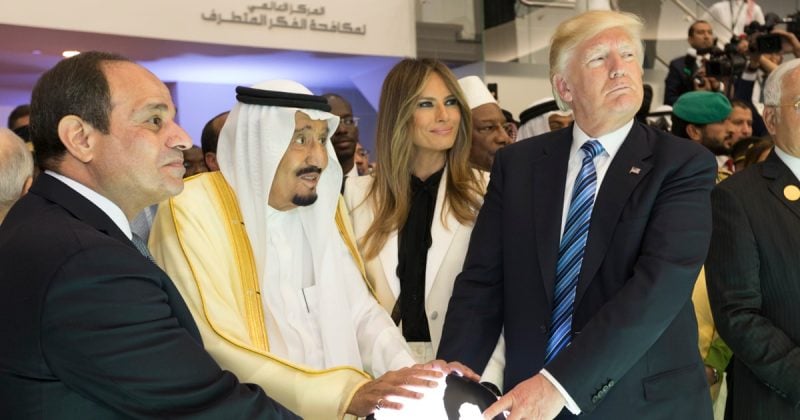
A proposed 30-year civilian nuclear agreement between the United States and Saudi Arabia is drawing concern in Israel, where officials fear it could shift the regional balance and encourage other countries to pursue similar capabilities. The deal is being viewed not only as an energy arrangement, but as a strategic move with broader security implications across the Middle East.
The main worry centers on nuclear proliferation. Even if the agreement is framed as civilian, critics in Israel and in the US Congress appear concerned that expanding nuclear infrastructure in the region could increase pressure for rival states to respond, raising the risk of a wider arms competition. That has turned the pact into a sensitive political issue well beyond bilateral US-Saudi ties.
The potential fallout is also being watched by financial markets. A change in regional security calculations can affect energy sentiment, especially when Saudi Arabia is involved, and fresh geopolitical uncertainty often feeds volatility across global assets. The description of the deal as a new source of market risk suggests investors are also monitoring possible spillover into crypto, which tends to react quickly to shifts in risk appetite and international tensions.
For now, the agreement is adding another layer of complexity to an already fragile regional landscape. As scrutiny grows in Washington and concern builds in Israel, the debate is likely to focus on whether a civilian nuclear framework can be advanced without setting off a broader race for strategic deterrence in the Middle East.