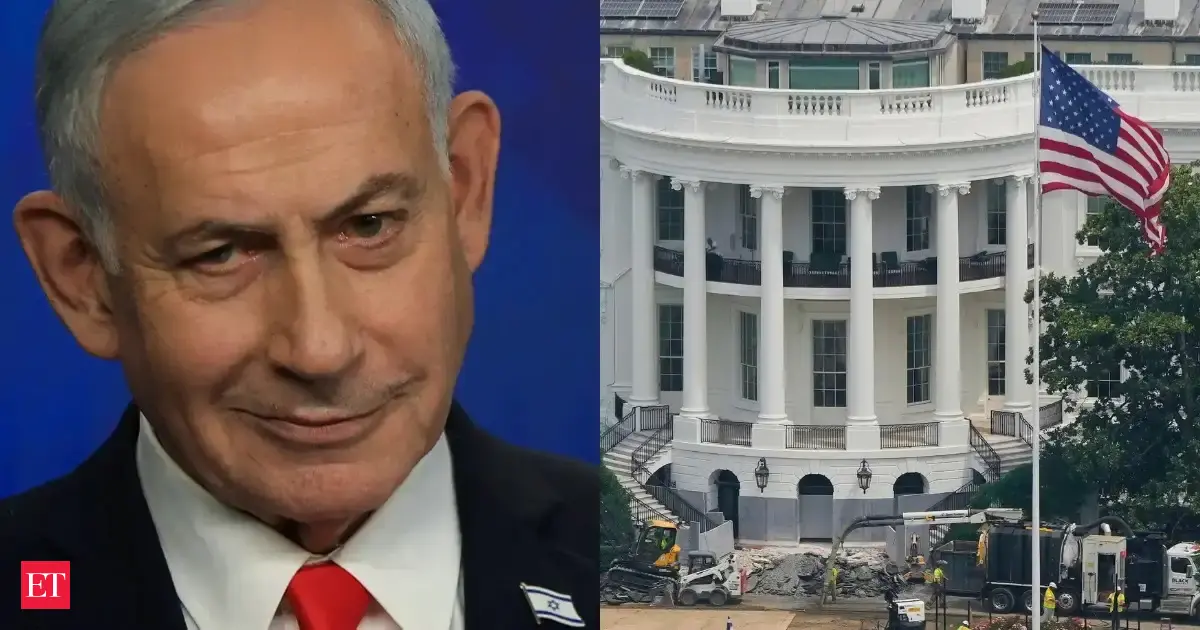
The Trump administration’s nuclear agreement with Saudi Arabia represents a major shift in long-running US policy toward the kingdom. For years, Washington had linked access to American nuclear technology to broader diplomatic conditions, including Saudi normalization with Israel.
According to the reported outline, that earlier requirement was set aside under the new approach. The change marks a clear departure from the position taken by previous US presidents, who treated nuclear cooperation as part of a larger regional bargain rather than a standalone agreement.
The policy reversal is significant because it reshapes how the United States manages ties with one of its most important Middle East partners. It also suggests a different balance between strategic cooperation and diplomatic leverage, especially on issues involving Israel and regional alignment.
The move is likely to draw attention for both its foreign policy impact and its implications for US relations across the region. By dropping a longstanding demand, the administration has opened a new chapter in US-Saudi nuclear cooperation while breaking with an established American stance.