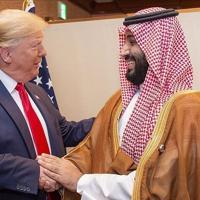
The United States and Saudi Arabia have announced what they described as a landmark agreement to launch a civilian nuclear program in the kingdom. The deal, revealed on July 22, marks a significant step in bilateral cooperation and adds a major strategic dimension to ties between Washington and Riyadh.
Supporters are likely to present the agreement as part of Saudi Arabia’s long-term energy and technology planning, with a focus on peaceful nuclear development. Civilian nuclear programs are often framed around electricity generation and diversification, especially for countries seeking to reduce dependence on traditional energy sources in some parts of their domestic economy.
However, the announcement has also triggered concern among critics who argue that such a program could eventually open the door to uranium enrichment. That issue is especially sensitive because enrichment capability can raise fears about possible military applications, even when an agreement is publicly described as civilian in nature.
The deal is therefore being closely watched not only for its economic and diplomatic implications, but also for its possible effect on regional security. Critics warn that if the program expands in ways that alter the balance of nuclear capability in the Middle East, it could intensify concerns about proliferation and the risk of a wider atomic arms race.