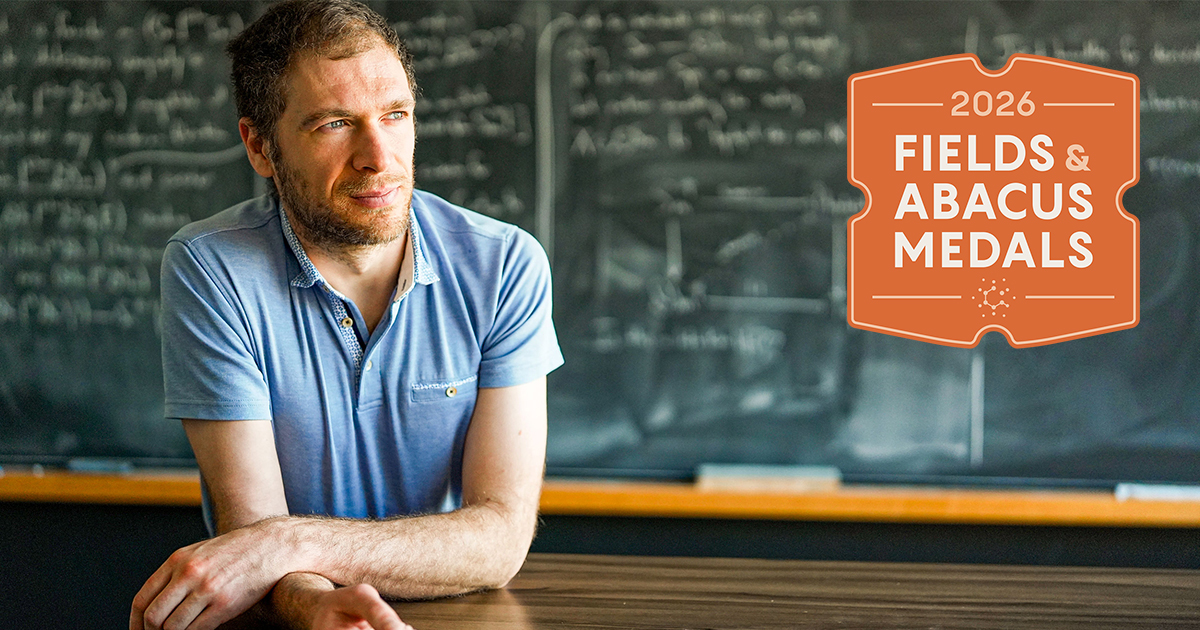
John Pardon has been awarded a Fields Medal, one of mathematics’ highest honors, in recognition of a talent that colleagues say sets him apart: an unusual ability to spot deep links between areas of math that others treat separately. The honor highlights not only his research, but also the broader influence of a thinker whose ideas appear to travel easily across disciplinary boundaries.
The story surrounding Pardon is also shaped by his reputation. As described by prominent mathematicians, he is not known for being the loudest voice in the room. Instead, the picture that emerges is of a quiet, careful scholar whose insights carry unusual weight. That contrast between a reserved style and far-reaching impact appears central to why so many peers regard him so highly.
One anecdote in the account reaches back about 15 years, when mathematician János Kollár was seated next to Pardon at a Phi Beta Kappa dinner. The detail helps frame how long leading figures in the field have been aware of his exceptional ability. Even in informal settings, the impression he left seems to have been lasting.
Pardon’s Fields Medal recognition reinforces a familiar pattern in top-level mathematics: transformative work does not always arrive with fanfare. In his case, fellow mathematicians point to a rare kind of vision, one that reveals hidden structure across different branches of the subject. That ability to connect ideas appears to be the defining reason his work is now being celebrated on one of the field’s biggest stages.