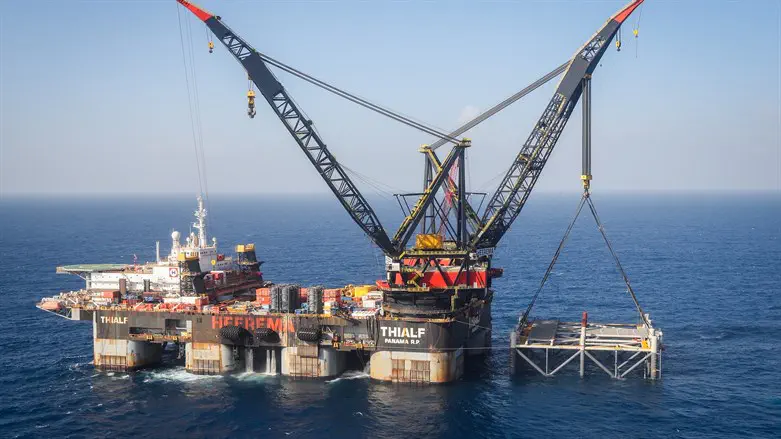
Israeli ports and maritime energy facilities are under renewed scrutiny as concern grows over potential Iranian threats to critical infrastructure. The issue is especially serious because Israel’s maritime energy network relies on a limited number of key assets, meaning disruption at even one site could have wider consequences for energy supply, trade, and national resilience.
The concern is not theoretical. Iran has already demonstrated a willingness to place Israeli energy infrastructure among its potential targets. In response, Israel has treated the risk as a strategic challenge, investing in defensive capabilities and, during periods of heightened danger, temporarily reducing activity at parts of the infrastructure to limit exposure.
Ports and offshore energy installations are particularly sensitive in wartime because they combine economic importance with high strategic value. A prolonged outage affecting a major terminal, platform, or related facility could create a systemic effect, disrupting shipping, fuel flows, and broader economic activity well beyond the immediate site of an attack.
The broader debate centers on how Israel can strengthen protection for these assets while maintaining continuity in trade and energy production. As regional tensions persist, the security of ports and maritime energy infrastructure is likely to remain a central part of Israel’s defense planning and economic risk management.