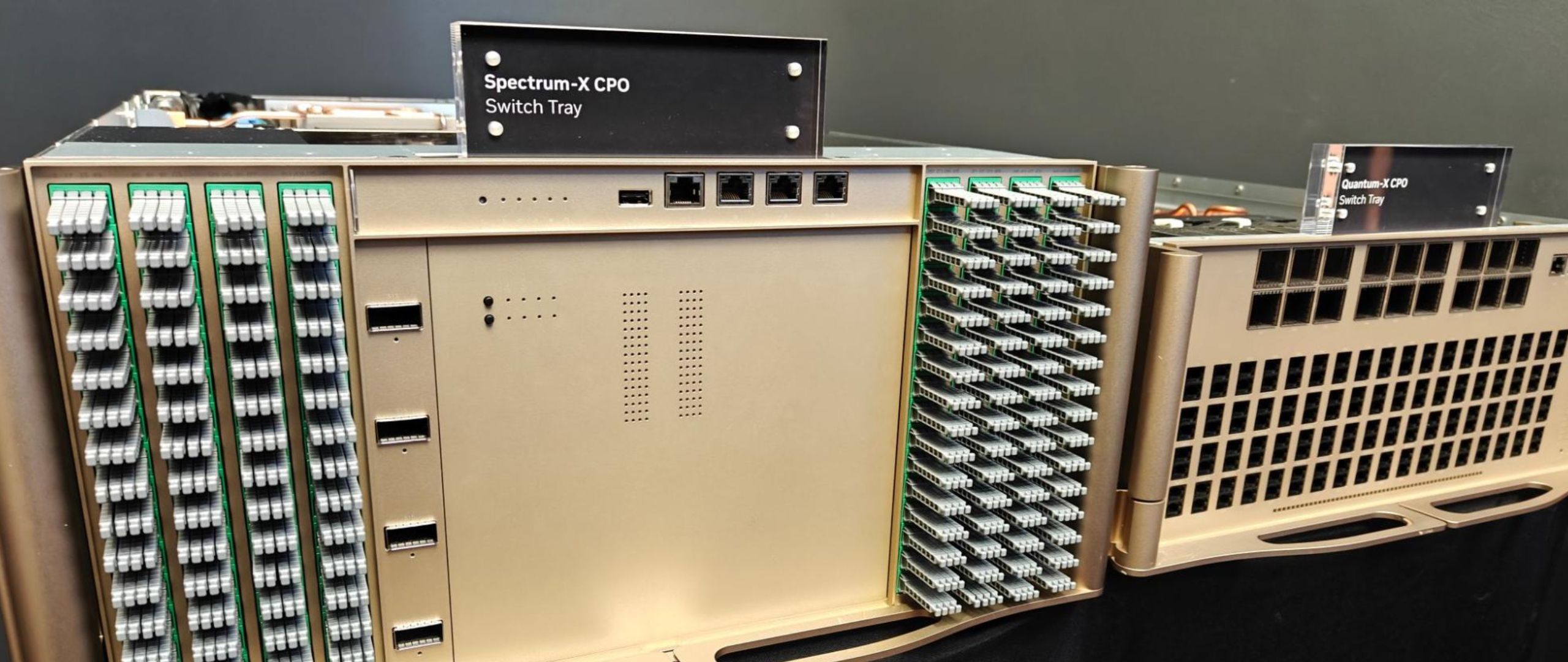
The AI hardware race is no longer defined only by raw GPU speed, memory size, or clock rates. As hyperscalers try to squeeze more computing power from existing data center footprints, attention is shifting to the systems that connect chips and servers together. That change is pushing photonic interconnects into the spotlight as the industry looks for new ways to scale AI infrastructure.
Copper has long been the standard for moving data inside servers and across racks, but its practical limits are becoming harder to ignore as AI workloads grow larger. Optical and photonic links are increasingly seen as a path to higher bandwidth, better efficiency, and improved performance over the distances modern AI clusters require. In that sense, the challenge is moving from pure chip performance to the broader problem of how fast data can travel across massive computing systems.
That is creating a new competitive front in AI hardware. Chip companies, networking specialists, and photonics startups are all trying to define the next generation of interconnect technology and secure a key position in the AI stack. Industry voices, including Lightmatter chief executive Nick Harris, are highlighting this scale-out model as a major shift in how future data centers will be designed and expanded.
The broader battle is about control as much as technology. If photonic interconnects become essential to large AI deployments, the companies that supply those links could gain significant influence over performance, cost, and data center architecture. As copper approaches its ceiling, the move inside optical looks set to become one of the most important transitions in the next phase of AI infrastructure.