South Africa is trying to reduce its heavy reliance on coal by expanding renewable energy, including large solar and wind projects. As the country shifts away from one of the continent’s biggest sources of carbon emissions, the question is not only how quickly clean power can be built, but also who benefits from it.
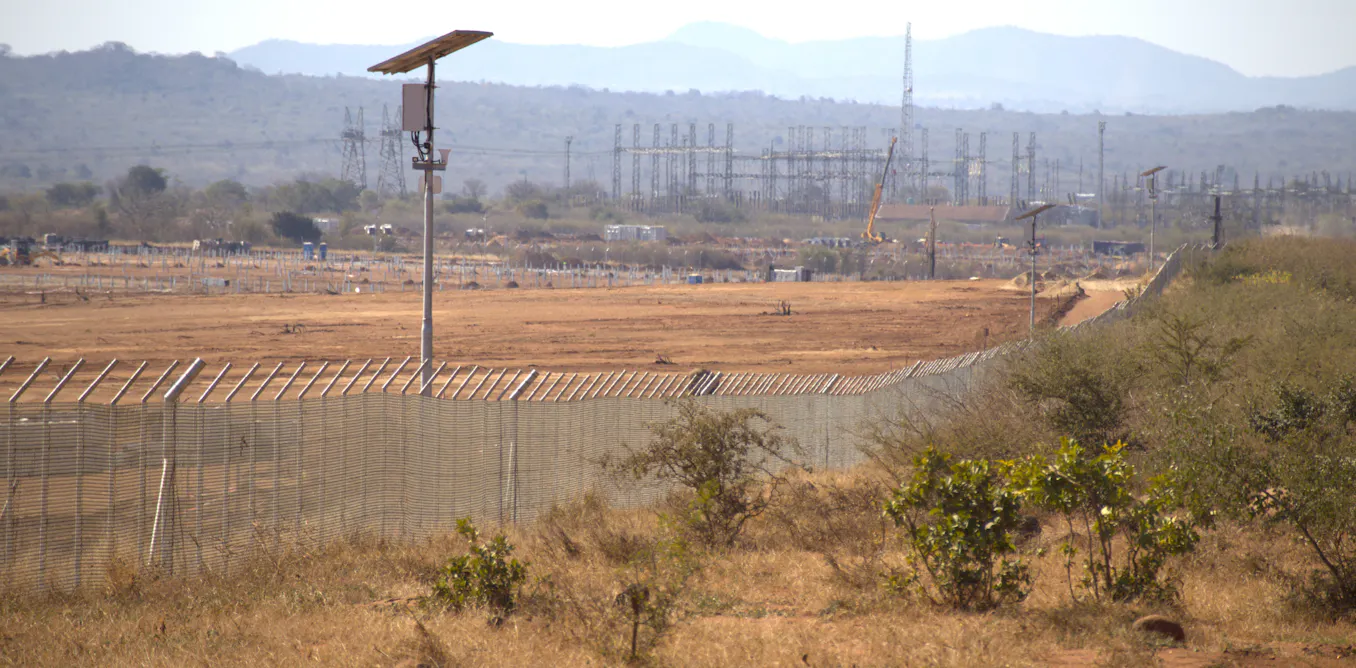
A solar farm in Limpopo points to both the promise and the tension in that transition. Renewable projects can create jobs and bring investment into rural regions, especially in places where economic opportunities are limited. But when local residents give up land or live alongside major energy developments, the gains do not automatically reach the broader community in a fair or lasting way.
The case highlighted in Limpopo suggests that rural communities need a stronger voice in decisions about land, ownership and benefit-sharing. Without meaningful local input, renewable energy risks repeating older patterns in which outside developers and institutions capture most of the value while people closest to the project see fewer advantages.
The broader lesson for South Africa’s green transition is that clean energy policy cannot focus only on power generation and emissions cuts. For solar and wind expansion to support rural development, communities must be involved early and clearly in deciding how jobs, revenue and other benefits are distributed.