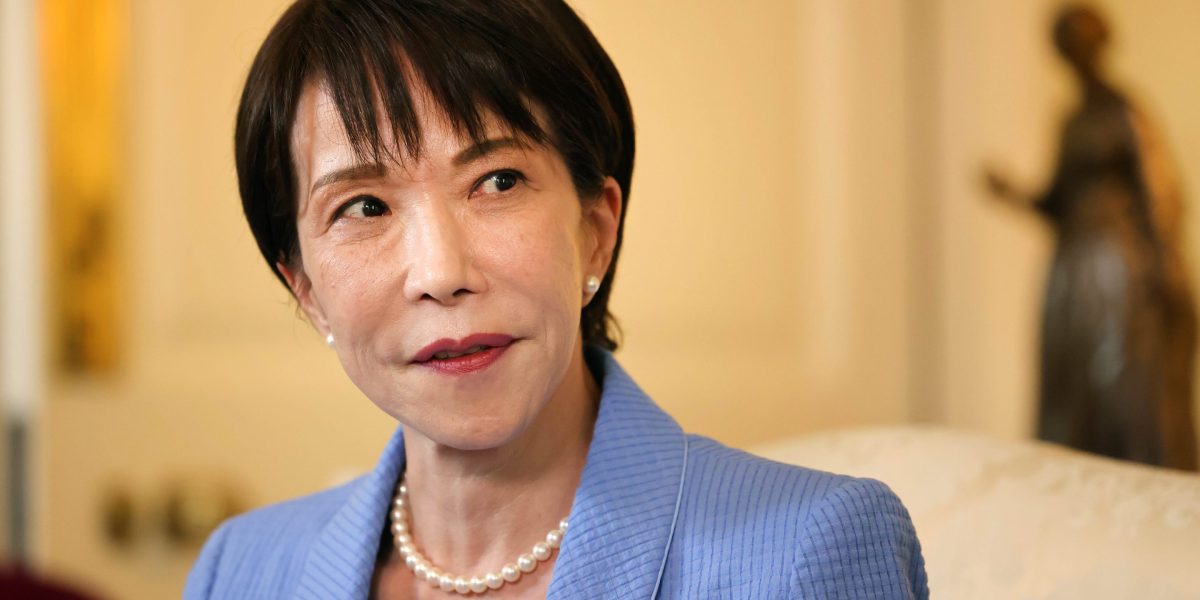
Japan’s debate over work-life balance has intensified after Prime Minister Sanae Takaichi said she sleeps only zero to three hours a night. The remark triggered sharp reaction online, with critics pointing to the contrast between her personal work habits and broader efforts in Tokyo to encourage healthier schedules.
The controversy comes as Japan continues to grapple with chronic overwork, a problem so severe it is often linked to the phrase “death by overwork.” Against that backdrop, proposals such as a four-day workweek have gained attention as ways to reduce burnout, improve quality of life, and make the labor market more sustainable.
Takaichi’s comments have drawn notice because they appear to move in the opposite direction from those goals. For many observers, a national leader publicly describing an extremely limited sleep routine raises questions about the example being set at a time when governments and employers are under pressure to support better work-life balance.
The reaction highlights a broader tension in Japan’s workplace culture: reform efforts aimed at cutting long hours are colliding with long-standing expectations around endurance, duty, and visibility at work. As the discussion continues, the gap between official labor reforms and the habits of senior leaders is likely to remain a major point of public scrutiny.