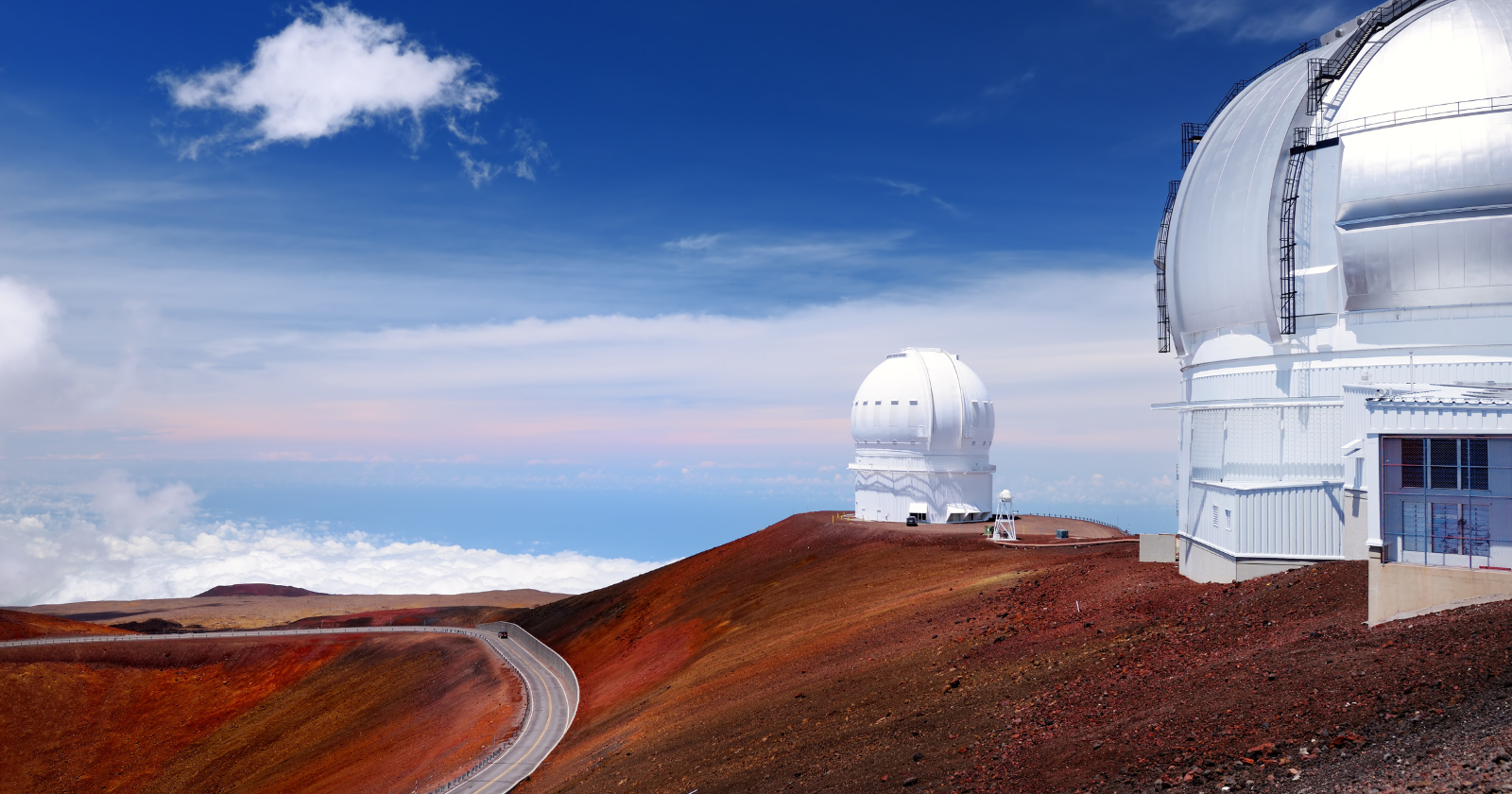
Mauna Kea has become one of the world's premier sites for astronomy because of its extreme elevation and unusually dry air. From the summit, scientists are looking through far less of Earth's atmosphere and water vapour than they would at sea level, allowing clearer views of faint light from galaxies billions of light-years away.
Those conditions have helped turn the dormant volcano into a global hub for skywatching. According to the report, 11 countries have built 13 major telescopes on the mountain, creating one of the most concentrated collections of large observatories anywhere on the planet.
But Mauna Kea is not only a scientific asset. The mountain is also sacred to Native Hawaiians, and that spiritual importance has shaped a long-running dispute over development at the summit. Decades of telescope construction have raised deep questions about who has the right to use and manage a place regarded by many as culturally and historically vital.
The result is a conflict that goes beyond astronomy alone. Mauna Kea stands at the center of a broader debate over science, land use, Indigenous rights and preservation, with the mountain's unmatched viewing conditions set against its significance to the people who hold it sacred.





