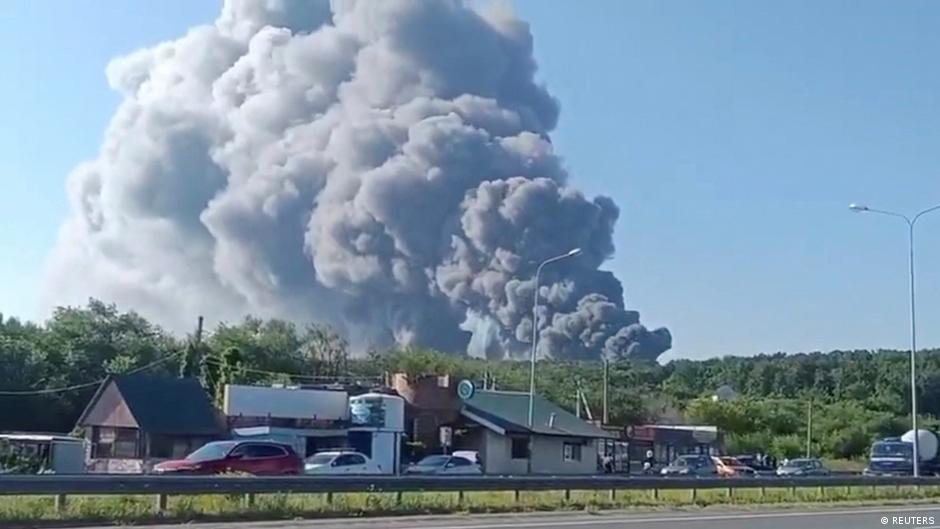
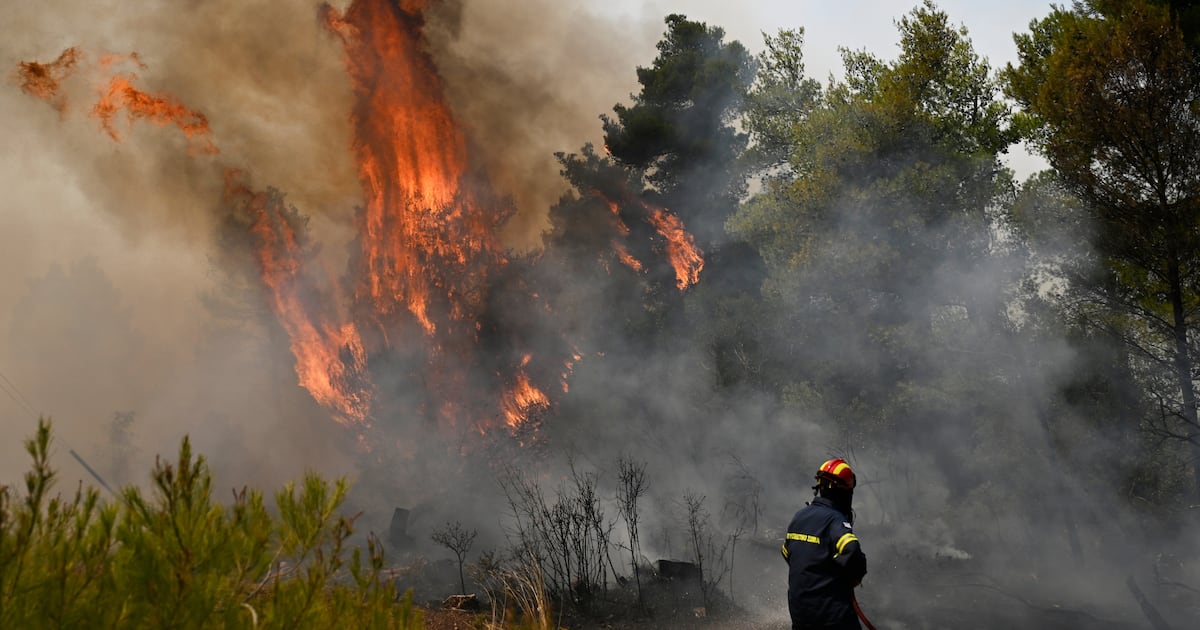
An Iranian strike on Friday damaged a power and water desalination facility in Kuwait, hitting one of the country’s important sources of drinking water. The incident has drawn attention to the risks facing basic services in a region where many countries depend on energy-intensive plants to supply fresh water.
Kuwait, like other desert states in the Gulf, relies heavily on desalination to meet daily water needs. Damage to a single major plant can quickly raise concerns about supply resilience, especially during periods of high demand and extreme heat.
The strike is the latest example of essential infrastructure coming under attack in the Middle East. Power stations, water facilities and other public-service sites have become increasingly sensitive targets, with each disruption carrying broader consequences for civilians and national stability.
The attack also underscores a wider regional vulnerability: in one of the world’s driest areas, water security is tightly linked to energy infrastructure and geopolitical tensions. When desalination plants are threatened, the effects can extend far beyond immediate physical damage, exposing how fragile access to drinking water can be.