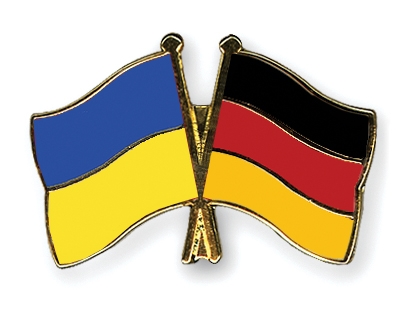
Germany is moving toward a stricter approach to asylum claims from Ukrainian men who left the country to avoid military service. The reported position, linked to comments by Interior Minister Alexander Dobrindt, suggests that humanitarian protection may not be granted in cases tied primarily to conscription avoidance.
The development fits a broader pattern in Europe, where some governments are placing greater weight on Ukraine’s wartime military obligations when reviewing migration and asylum requests. That marks a more restrictive reading of humanitarian protections for people fleeing a country at war, especially for men of military age.
In practical terms, the shift could make it harder for certain Ukrainian applicants in Germany to secure asylum on humanitarian grounds if their case is seen as an attempt to escape call-up rather than persecution or another protected risk. The issue sits at the intersection of asylum law, national migration policy and Europe’s political support for Ukraine.
The debate highlights a growing tension across the region: how to balance protection for displaced people with the view that Ukraine needs its citizens to meet wartime obligations. As European governments revisit these cases, the handling of Ukrainian male migrants is becoming an increasingly sensitive political and legal question.