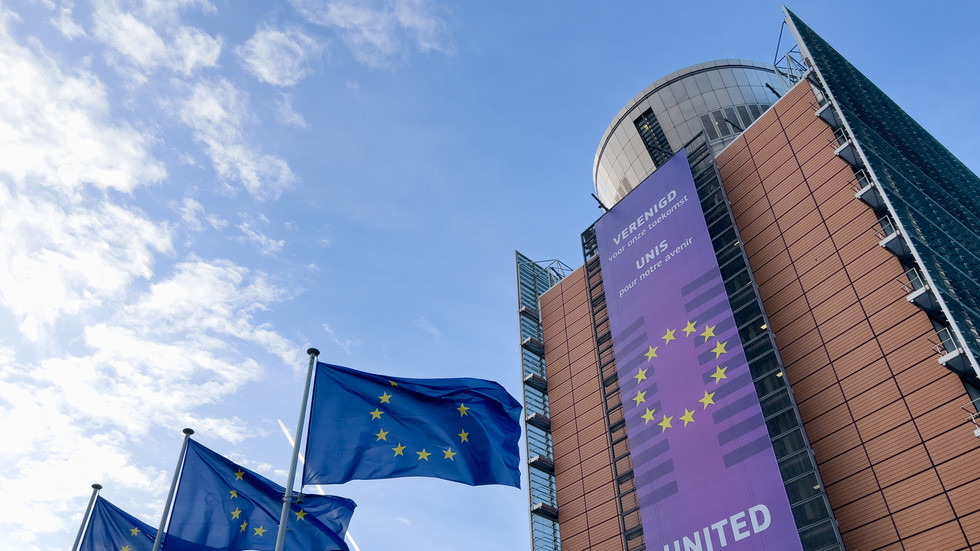
The European Union has reportedly softened its latest sanctions package against Russia after resistance from some member states, with Greece said to have played a central role. According to the account described in the report, the bloc agreed to let companies continue transporting Russian liquefied natural gas to destinations outside the EU.
The reported change suggests the new measures were diluted during negotiations among member governments. One diplomat cited in the coverage characterized the carve-out as a major exemption, underscoring the internal divisions that can emerge when sanctions policy intersects with shipping, energy flows and national commercial interests.
At the center of the dispute is Russian LNG transit to third countries rather than direct EU consumption alone. By preserving that activity, the revised package appears to stop short of a broader restriction that would have affected transport operators and related businesses involved in moving cargoes beyond the European market.
If the reports are accurate, the episode highlights the difficulty the EU faces in maintaining a unified sanctions strategy while balancing pressure on Moscow with the concerns of member states that have economic exposure to maritime trade and energy logistics. The outcome points to a compromise approach rather than the tougher restrictions some officials had originally sought.