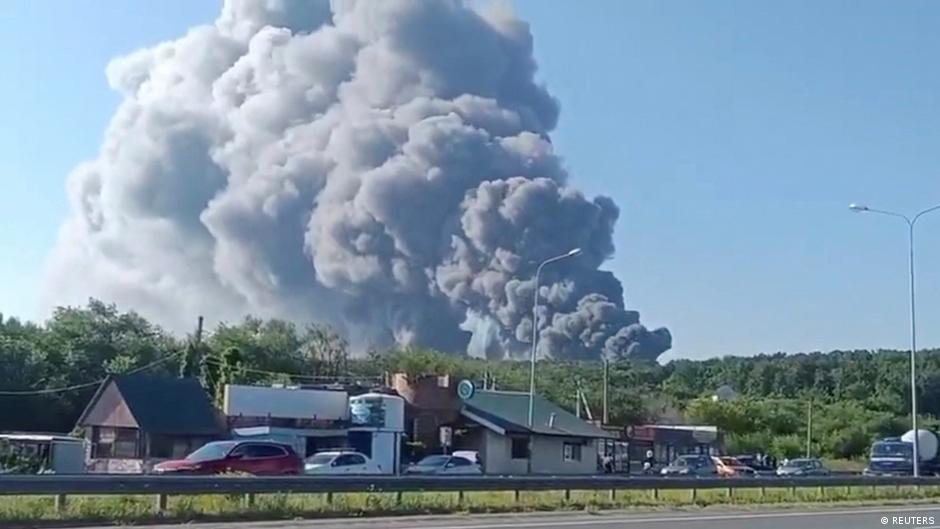
Ukrainian drone strikes on facilities used by Russian e-commerce giant Wildberries have drawn attention not only because of the attacks themselves, but because of the scale of the fires that followed. The latest images from Elektrostal, outside Moscow, showed a blaze so large that a firefighting helicopter appeared tiny against the flames.
The intensity of such warehouse fires is often tied to what these logistics hubs hold. Large e-commerce centers typically store huge volumes of packaged consumer goods, cardboard, plastic wrapping, shelving and other materials that can feed a fire once it starts. When inventory is packed densely across a vast indoor space, flames can spread quickly and become difficult to contain.
Warehouse layout can make the problem worse. Big logistics complexes are designed for storage efficiency and rapid movement of goods, which means long rows of stock, high stacks and extensive packaging. If a strike or other ignition source reaches a vulnerable area, the fire can race through multiple sections before crews are able to isolate it.
That helps explain why Wildberries warehouses can burn so fiercely after a hit. In a conflict where drones are increasingly used against industrial and logistics targets, facilities filled with combustible merchandise and packing materials are especially vulnerable to spectacular, hard-to-control fires.