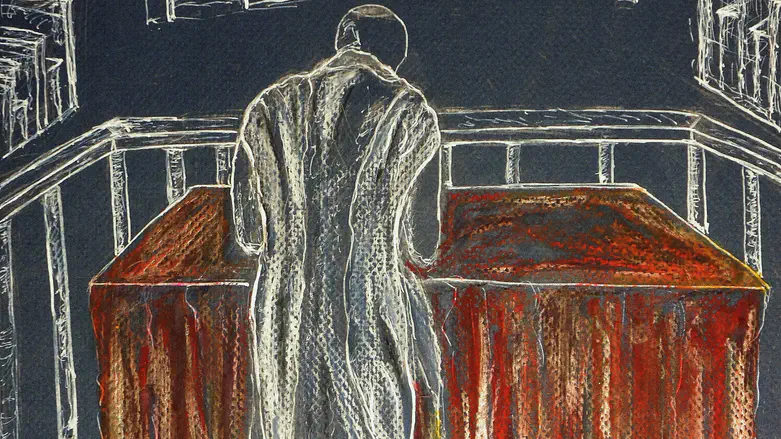
A newly highlighted essay looks at how synagogues have been portrayed in Jewish art not simply as buildings, but as emotional and cultural symbols. Focusing on European Jewish art from the late 19th century to the present, the piece examines how artists expressed love through works centered on synagogue spaces.
According to the description, the essay is presented as the first study to isolate this particular theme across roughly 150 years of artistic production. Rather than treating synagogue imagery only as architecture or heritage, it explores the feeling behind these depictions and the historical perspective that shaped them.
The article was originally prepared for a HaKehila issue marking the 120th anniversary of the Helsinki Synagogue, linking the study to a broader moment of remembrance within the Jewish community in Finland. That commemorative setting adds another layer to the essay’s focus on attachment, continuity, and the role of sacred places in Jewish visual culture.
By tracing synagogue images across generations, the essay points to a recurring bond between artists and communal spaces. Its central argument suggests that vision in art can become feeling, turning synagogue depictions into reflections of memory, belonging, and enduring affection within Jewish artistic history.