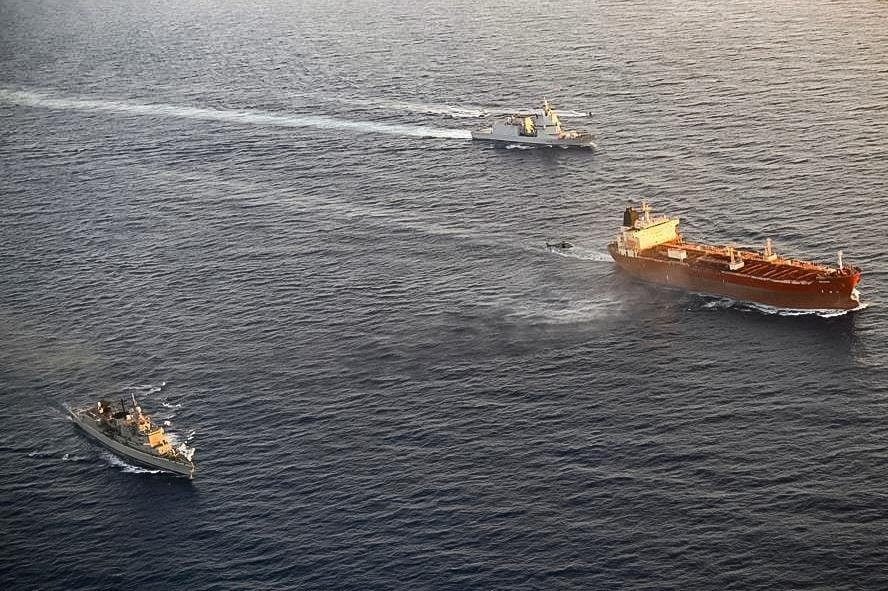
Seafarers remain stranded as shipping through the Strait of Hormuz continues to stall amid the Iran-US war. The disruption has left crews caught in uncertainty, while one of the world’s most important maritime chokepoints faces growing questions over how transit will be handled in the coming period.
A central issue is still unresolved: what rules will govern commercial passage through the strait in future. With no clear framework in place, ship operators and crews are left dealing with delays, risk and confusion over whether normal movement can resume and under what conditions.
The United Nations has restated that charging tolls in exchange for safe passage would go against international law. That position adds a legal dimension to the wider security crisis, highlighting the tension between wartime control and long-standing principles governing navigation through international waterways.
The continuing slowdown in Hormuz shipping underlines both the human and economic impact of the conflict. For stranded seafarers, the crisis is immediate and personal, while for global trade the uncertainty around maritime access through the Gulf remains a serious concern.