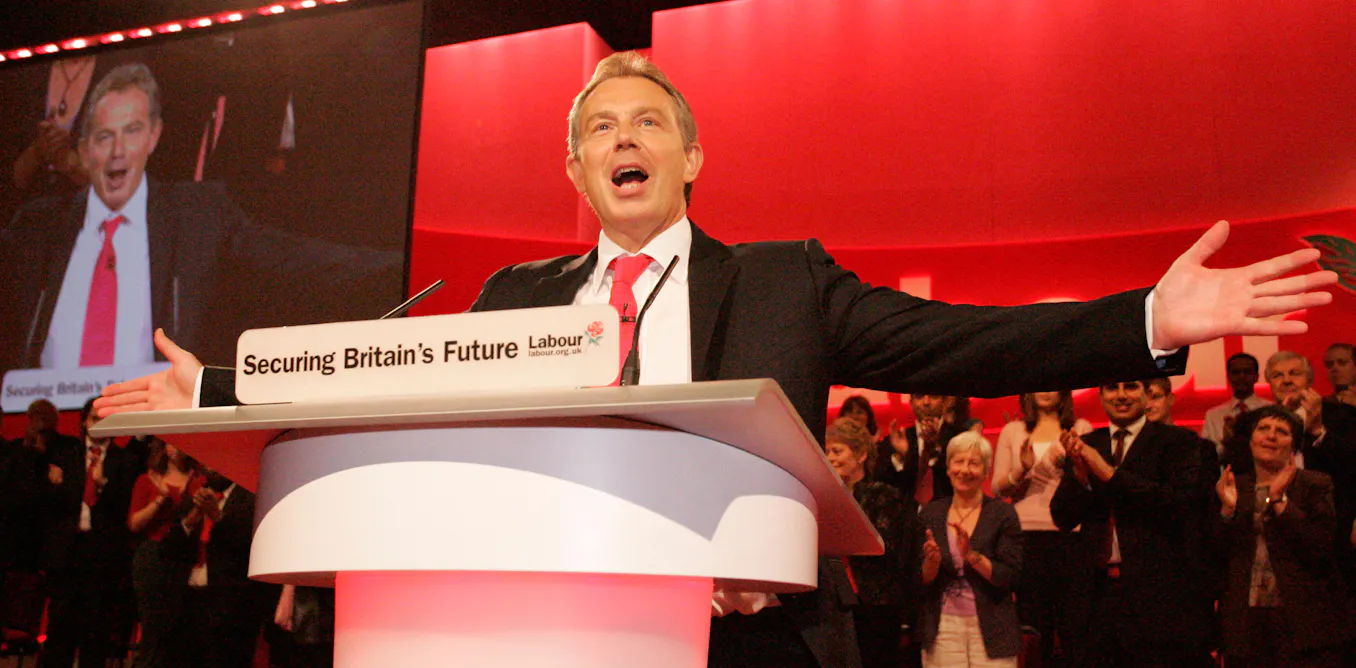
Britain’s political argument has changed sharply over the past quarter century. In the early 2000s, Tony Blair’s commanding election win was tied to a message of broad opportunity and confidence about the country’s direction. At the same time, social data pointed to a Britain that was becoming less religious, more likely to live alone and more ethnically diverse.
Those shifts helped reshape the national conversation. Questions of identity, belonging and social change became more central to politics, moving debate beyond the older focus on economic management alone. As the country evolved, arguments about who Britain was for, and what values should guide public life, became harder to separate from party competition.
Over time, populism added a new edge to that debate. Political appeals increasingly centered on division between elites and ordinary voters, while issues linked to culture, national identity and institutions gained more prominence. In that environment, human rights became a recurring battleground rather than a settled principle, with supporters and critics framing them in very different ways.
Seen across 25 years, the contrast is striking: a period that began with Blair-era optimism has given way to a more contested and polarized discussion about rights, identity and the purpose of politics itself. The change reflects not just party strategy, but deeper social transformation in Britain and the way public debate now responds to it.