New research is fueling fresh debate about how long people could live. According to a study highlighted by KTLA, scientists concluded that the theoretical upper limit for human lifespan may reach about 156 years under a model where major aging processes are removed, except for somatic mutations.
The work was linked to researchers at the Skolkovo Institute of Science, who used a modeling approach to estimate the maximum human age in an extreme best-case scenario. Rather than saying humans are close to living that long today, the study points to a theoretical ceiling if key biological drivers of aging could be eliminated.
The finding arrives as interest in antiaging treatments, longevity science, and lifespan-extending habits continues to grow. Many people are looking for practical ways to stay healthier for longer, but this research focuses more on the biological limits of human life than on everyday wellness trends or quick longevity fixes.
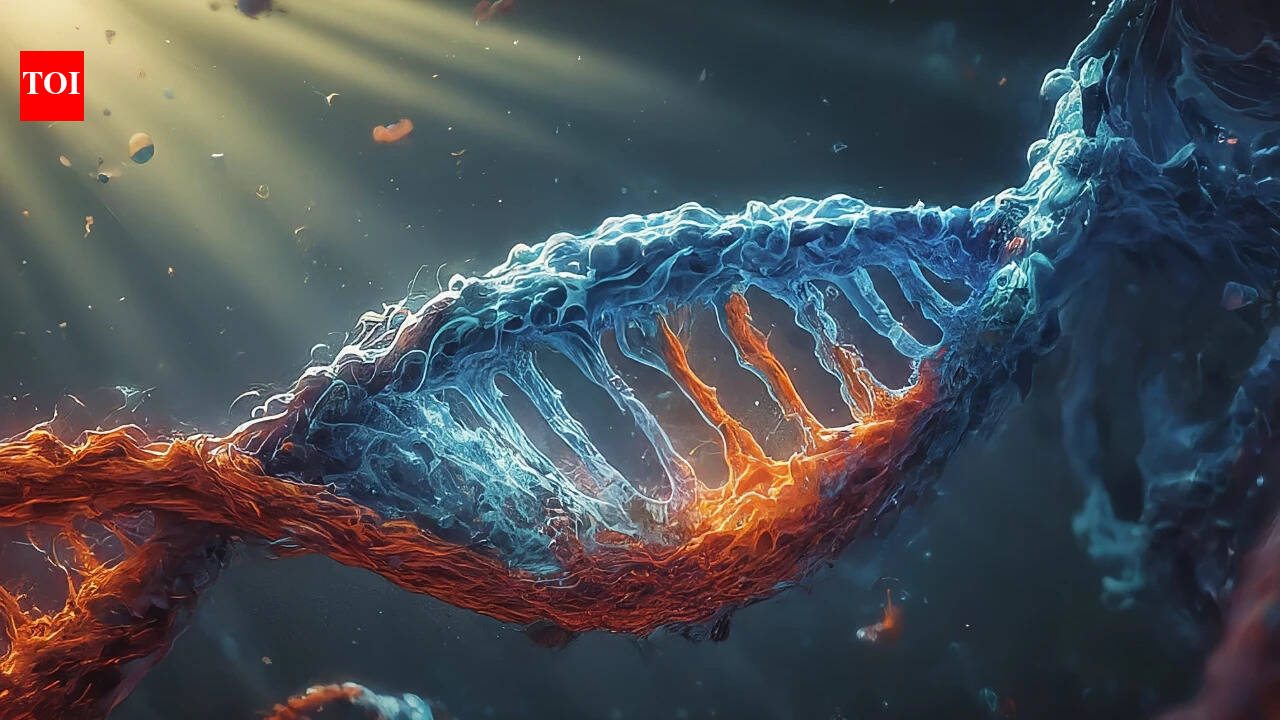
Even so, the study adds to a wider scientific conversation about what controls aging and whether those processes can be slowed or altered. While a lifespan of 156 years remains hypothetical, the report suggests that understanding aging hallmarks and somatic mutations could play an important role in future longevity research.