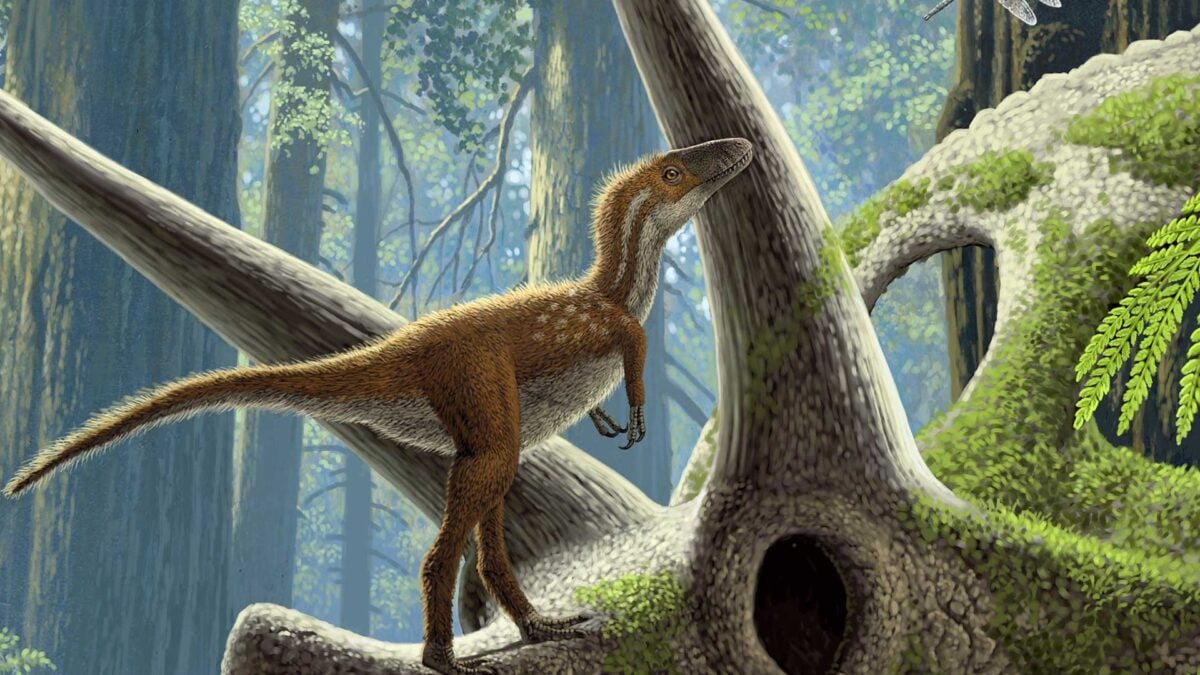
Rare fossils of young Tyrannosaurus rex are giving paleontologists a much clearer look at one of the least understood stages in the famous dinosaur’s life. While T. rex is one of the best-known prehistoric predators, scientists have had far less evidence for what its earliest years looked like than for its giant adult form.
The new attention on baby T. rex fossils suggests these animals may have started out at about the size of a house cat. Even at that small scale, researchers say the young dinosaurs were already built to be dangerous, offering a striking picture of how quickly the species may have developed into an effective predator.
That matters because a major gap has long existed in the Tyrannosaurus rex life cycle. Fossils from the youngest stages have been rare, making it difficult to trace how the animal changed from a small juvenile into one of the most powerful carnivores ever to live on land. Each new specimen helps fill in that missing timeline.
Together, these finds are reshaping how scientists think about the earliest growth of T. rex. Instead of an unknown beginning followed only by massive adults, researchers are starting to assemble a more complete story—one in which the iconic dinosaur was tiny at first, but already showing signs of the deadly role it would later dominate.





