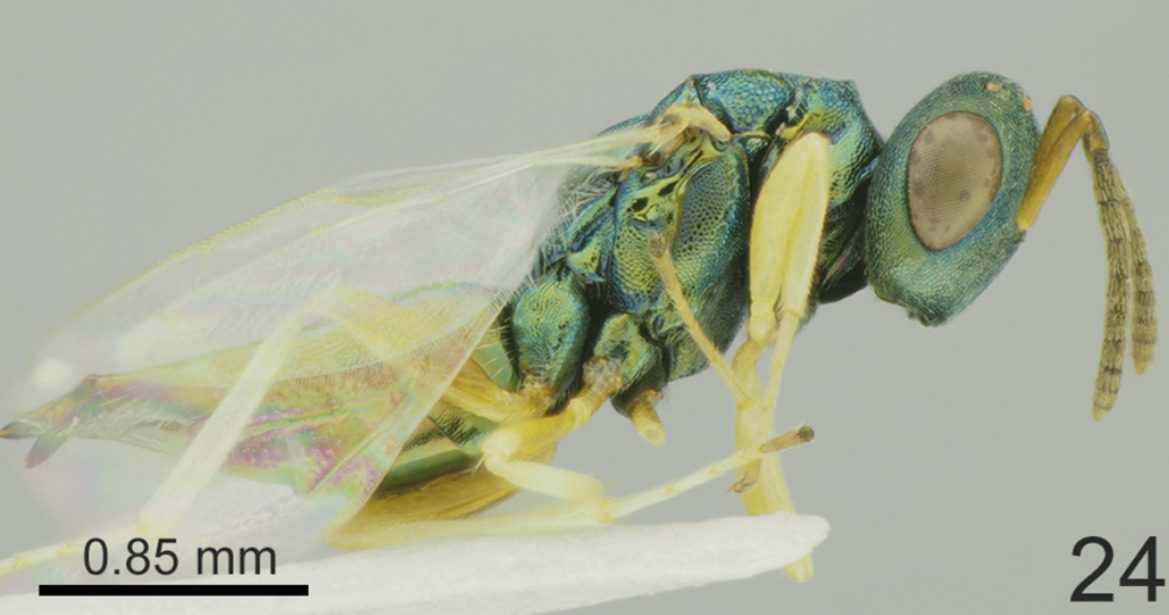
Scientists investigating a destructive farm pest in China have uncovered an unexpected insect discovery: a previously unknown wasp species living in the same crop environment. The team had been focused on Lixus subtilis, a weevil beetle known for damaging crops, especially sugar beet fields, when the new find emerged.
Lixus subtilis is already a serious concern for agriculture because it can spread through major growing regions and harm yields. The beetle has been identified as a persistent threat in parts of Central and Eastern Europe as well as elsewhere, making any research tied to its life cycle or natural enemies especially important for farmers and scientists.
What makes the discovery stand out is that the newly identified wasp is reported to show unusual behavior, adding a darker and more intriguing layer to what began as a routine pest survey. While the original search centered on the crop-damaging beetle, attention quickly shifted to the strange biology of the wasp found hiding in the fields.
The finding highlights how agricultural landscapes can still hold species unknown to science, even in places already studied for pest control. It also shows that efforts to understand one damaging insect can reveal a much wider ecological story involving new species, complex interactions and potential clues about how crop pests survive in the wild.





