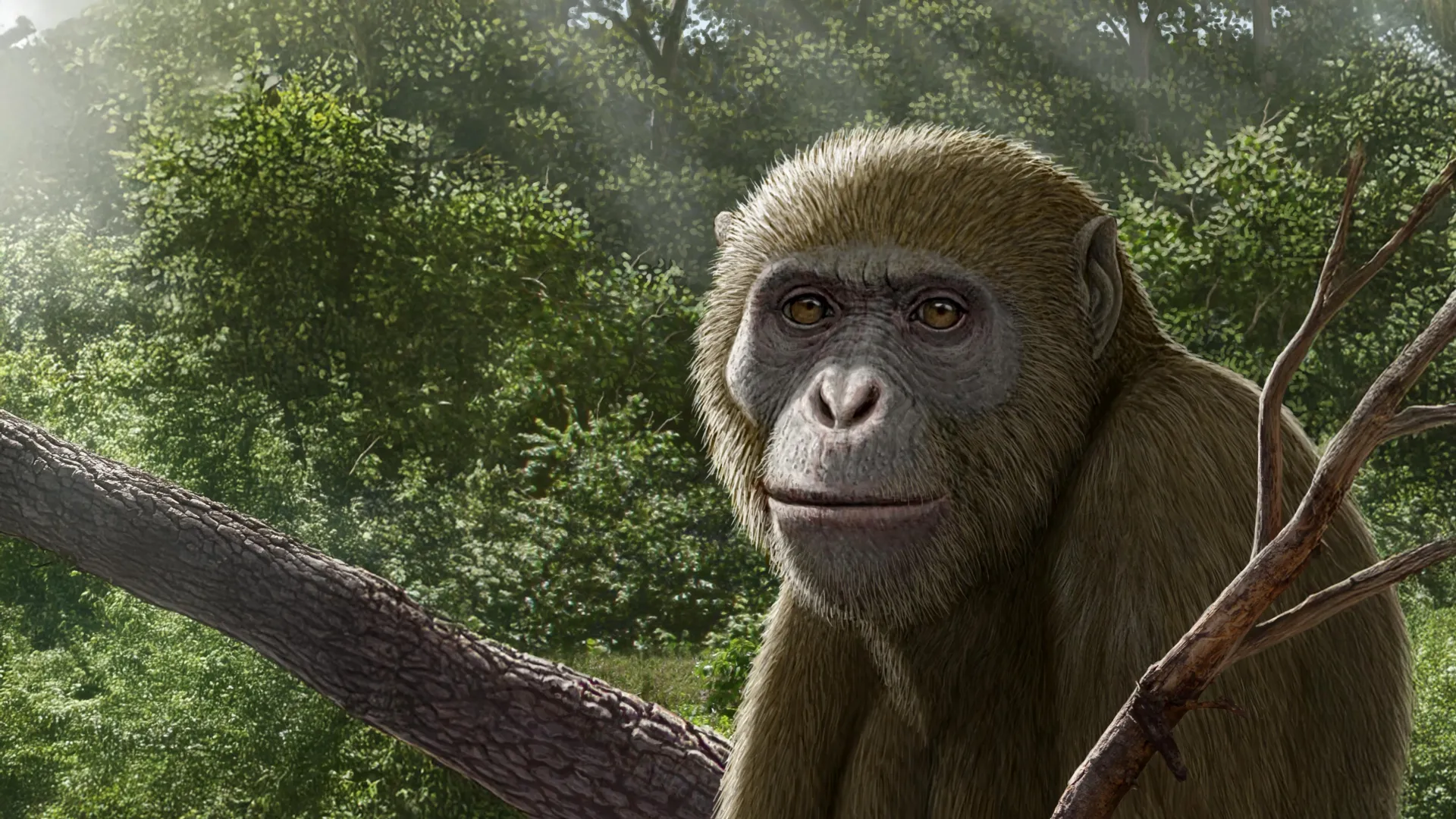
A newly described fossil ape from northern Egypt is prompting researchers to rethink a major chapter in primate evolution. The species, named Masripithecus moghraensis, lived roughly 17 to 18 million years ago during the Early Miocene, according to the study summary.
Researchers say the fossil appears more closely related to living apes than any East African species known from the same period. That comparison is important because East Africa has long dominated discussions about where the ancestors of modern apes first emerged.
The finding shifts more attention toward North Africa and the Middle East as possible key regions in early ape evolution. Rather than fitting a simple East Africa-centered timeline, the new evidence suggests the broader region may have played a larger role in the evolutionary history that eventually shaped later ape and human lineages.
While one fossil does not settle the full story of human origins, the discovery adds a significant new piece to the puzzle. By placing an early ape from Egypt so close to the branch leading to living apes, the study highlights how fresh fossil evidence can change long-held ideas about where crucial evolutionary developments took place.