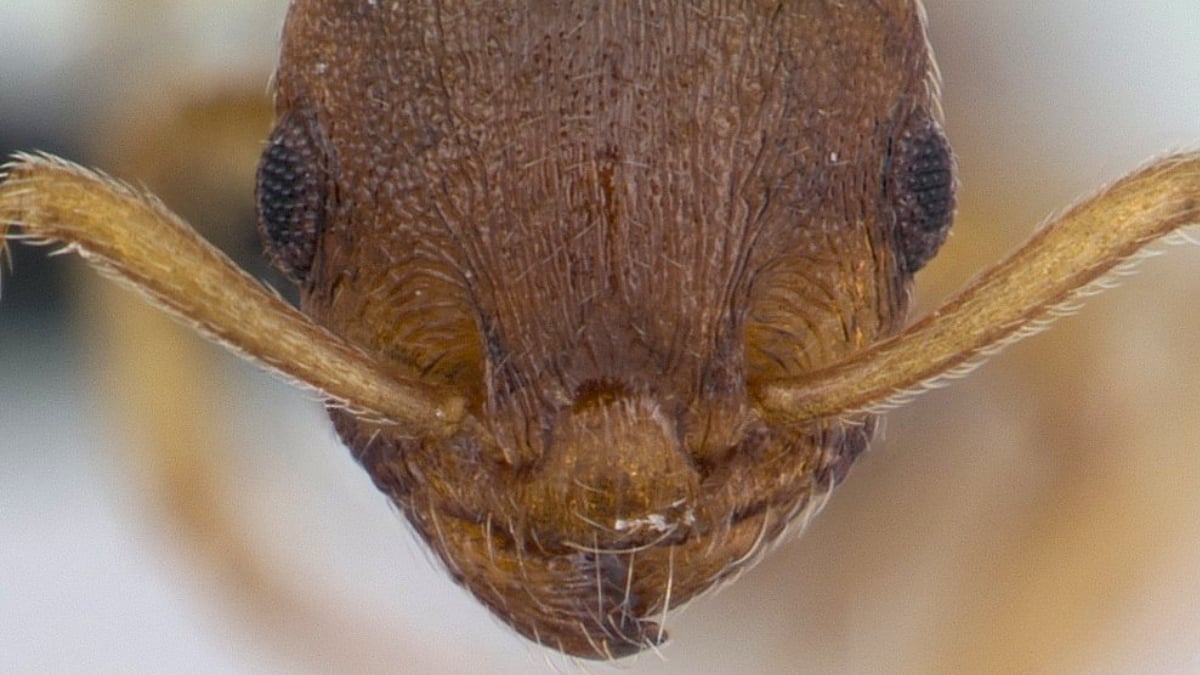
A remarkable parasite appears to give infected ants an extraordinary survival boost, reportedly allowing them to live up to 10 times longer than they normally would. At the same time, the parasite seems to alter colony behavior so that other ants treat the infected individuals with unusual care and attention.
That combination makes the case especially striking. A longer lifespan might sound beneficial for the ant, but parasite-driven changes usually serve the parasite's own interests. If an infected ant is protected, fed, or otherwise favored by nestmates, the parasite may gain more time and better conditions to complete its life cycle.
The story also highlights how powerful parasites can be in social insect colonies. Ant societies depend on chemical signals, strict roles, and coordinated behavior. When a parasite interferes with those systems, it can do far more than make an individual sick; it can reshape how the entire colony responds to that ant.
Researchers have long been interested in parasites that manipulate host behavior, and this example adds an extreme twist by linking social control with a dramatic change in lifespan. It underscores how evolution can produce relationships that look almost unbelievable, especially in highly organized insect communities.