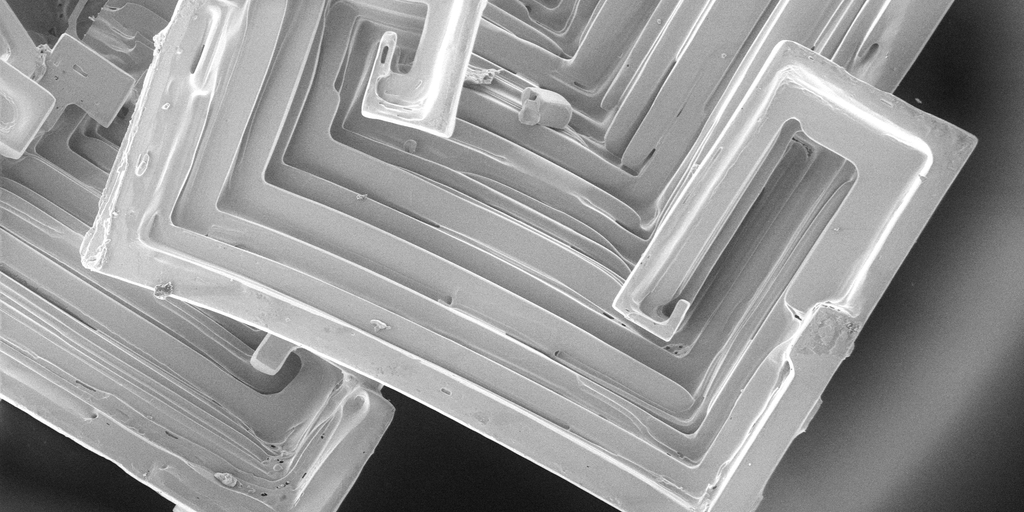
A NASA astronaut carried out a crystal-growth experiment aboard the International Space Station, producing unusual results that stood out both visually and scientifically. The work highlights how astronauts can use the orbiting lab to test how materials behave in ways that are difficult to reproduce on Earth.
Microgravity changes the environment around a growing crystal. Without the same effects of gravity-driven settling and fluid movement seen on the ground, crystals can form differently, sometimes creating shapes and patterns that look strikingly unfamiliar. That is why crystal studies remain a regular part of research on the ISS.
Experiments like this can help scientists better understand the basic rules of material formation. Observing how crystals develop in space may improve research in fields that rely on precise structures, including materials science and other laboratory applications where growth conditions matter.
The experiment also offers a reminder that life aboard the space station is not only about spacewalks and launches. It is also a place for hands-on science, where astronauts can watch small-scale processes unfold and reveal results that look otherworldly while adding to NASA’s broader research goals.