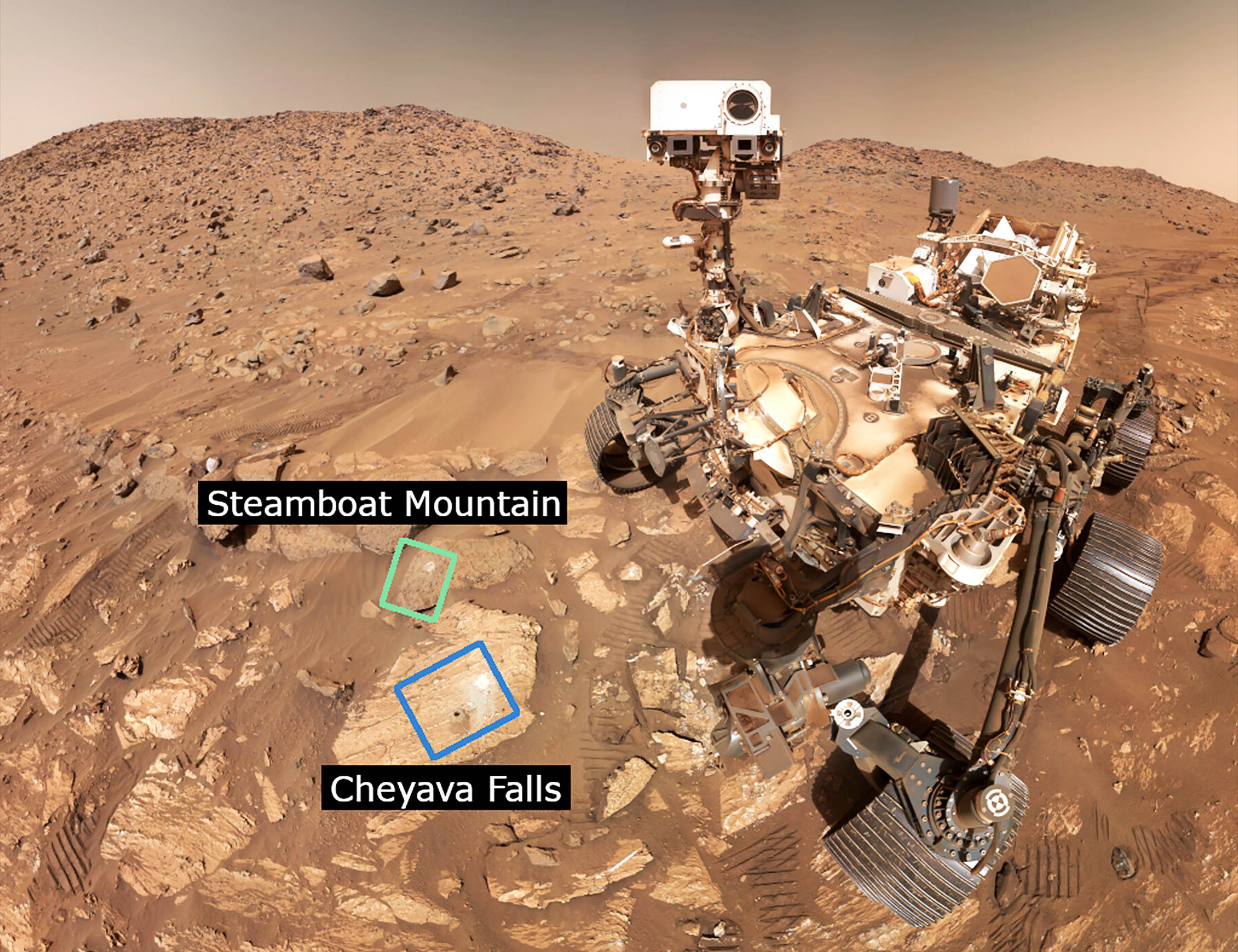
NASA's Perseverance rover has uncovered a rich trace of complex carbon on the exposed surface of a Martian rock, a finding being described as the strongest evidence yet connected to possible ancient life on Mars. The result is notable because the material was identified without digging or drilling into the rock.
That makes the discovery especially striking on a planet where the surface is constantly battered by radiation and shaped by harsh chemistry. Conditions on Mars are generally considered hostile to fragile carbon-based compounds, so finding complex carbon on a bare rock face raises fresh questions about how it survived.
Scientists are interested because carbon chemistry can be linked to biology, but the rover's detection does not by itself prove that life once existed there. Complex carbon can also be produced through non-biological processes, so the finding is best seen as an important clue rather than a final answer.
Even so, the result adds weight to Perseverance's broader mission of studying whether Mars once had environments that could support life. By identifying unusually promising material in plain view on the surface, the rover has given researchers another significant piece of the puzzle in the search for Mars's ancient past.