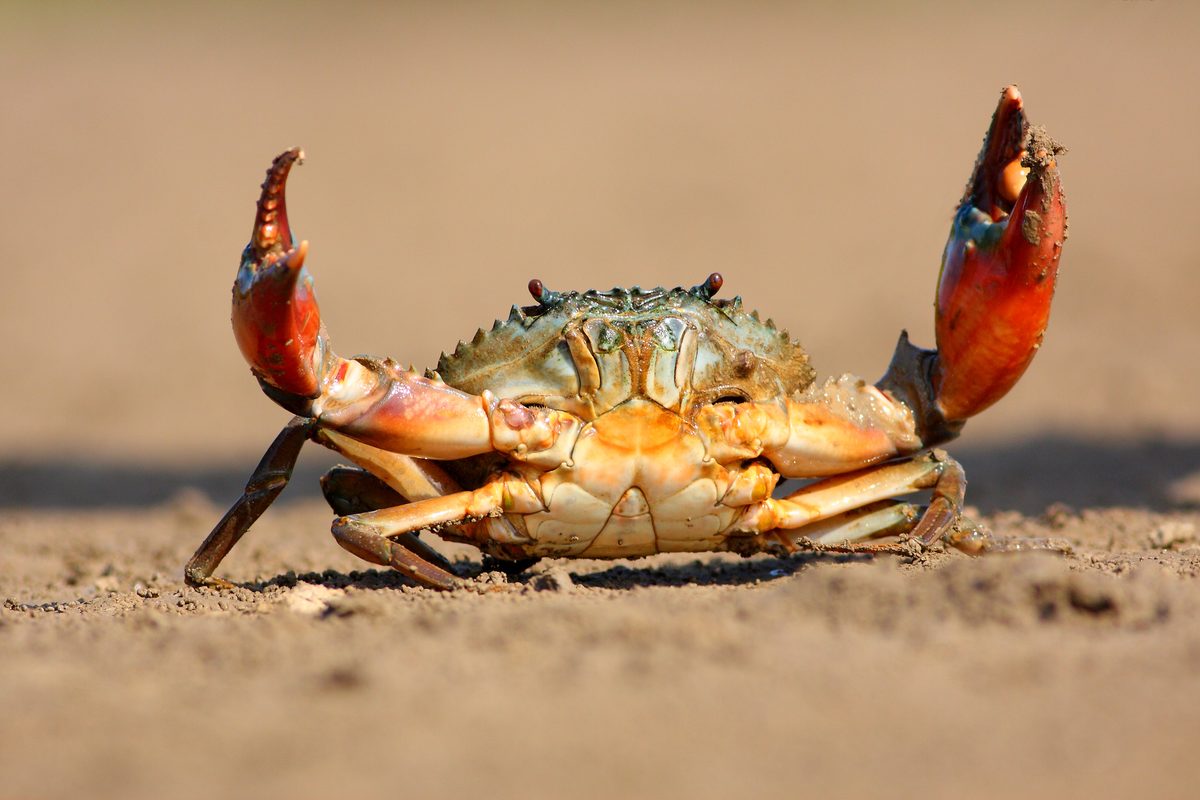
Most crabs are known for moving sideways rather than straight ahead, and marine biologist Matt Slater says that is usually because side-stepping is the fastest option for them. The familiar crab shuffle is not just a quirky habit but a practical way of getting around.
The explanation comes down to how a crab’s body and legs are arranged. For many species, moving to the side makes better use of their build and allows them to travel more efficiently than walking forwards. That means the sideways gait is less strange than it looks once their anatomy is taken into account.
Not every crab follows the same pattern, however. Some species still move forwards, including spider crabs and hermit crabs. In the case of spider crabs, the sharp tips on their legs help them climb steep rock faces, showing that different habitats and lifestyles can favor a different way of moving.
Taken together, these exceptions highlight the bigger point: crab movement is shaped by function, not appearance. While most crabs walk sideways because it is the quickest and most effective option, a few species go forward when their body design and environment make that the better choice.