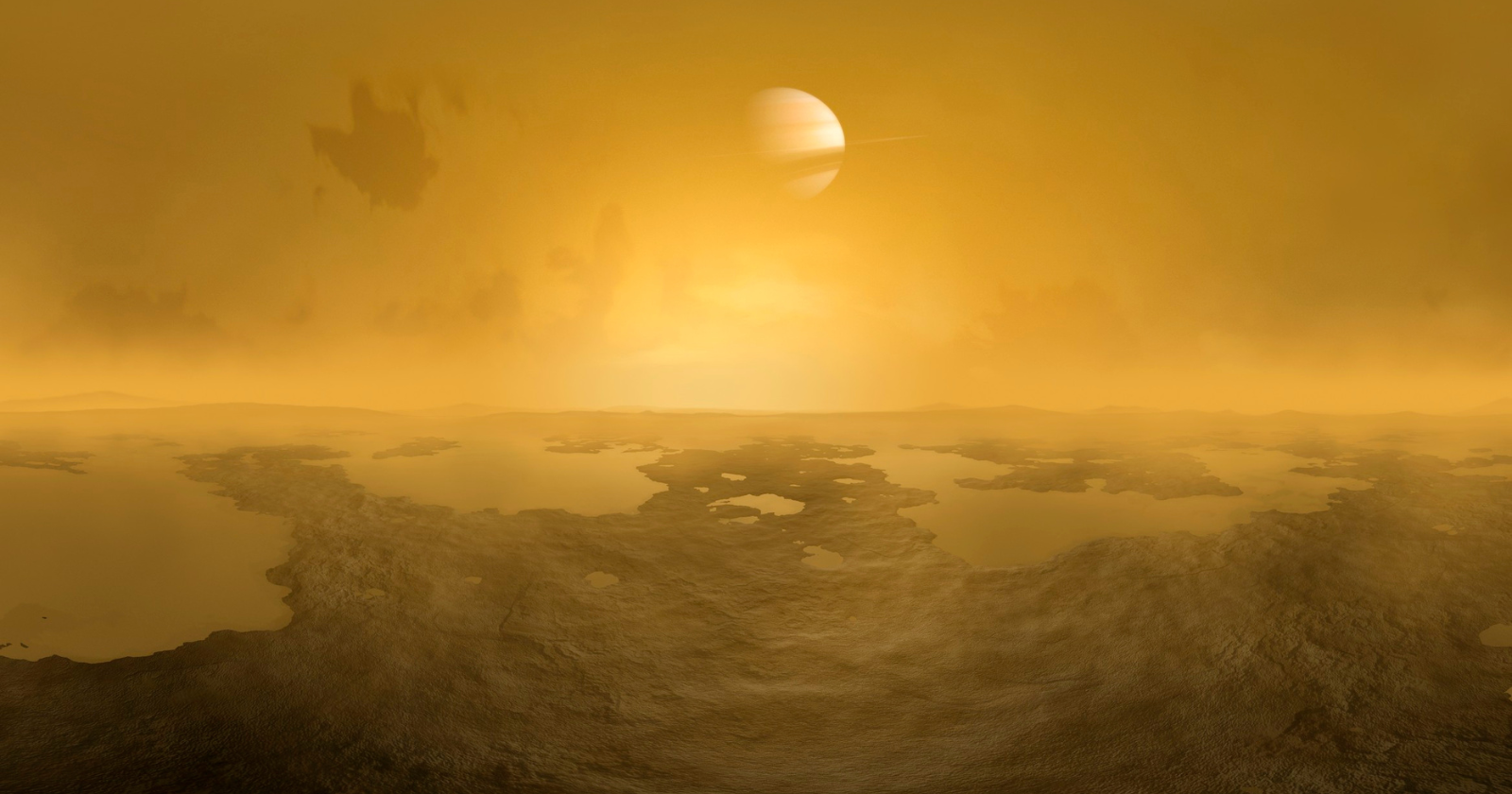
NASA is preparing to launch Dragonfly later this decade, a car-sized, nuclear-powered drone designed to explore Titan, Saturn's largest moon. The mission stands out because Titan is the only world besides Earth known to have rivers, lakes and rain, although its rainfall is made of liquid methane rather than water.
Dragonfly is expected to become the first aircraft to explore another world in this way. Using eight rotors, the craft will lift off from Titan's frozen surface, travel through the moon's thick, hazy atmosphere and move from one landing site to another, reaching places no spacecraft has previously examined.
At each stop, the drone is planned to land and study the surface more closely, including drilling into the ground. Scientists are especially interested in Titan's methane seas and organic-rich dunes, which could offer clues about chemistry linked to life in one of the solar system's most unusual environments.
The Dragonfly mission reflects NASA's growing focus on exploring worlds that may be habitable in unexpected ways. By combining flight, sampling and mobility on Titan, the spacecraft could open a new chapter in planetary exploration and expand what researchers know about where life-friendly conditions might exist.