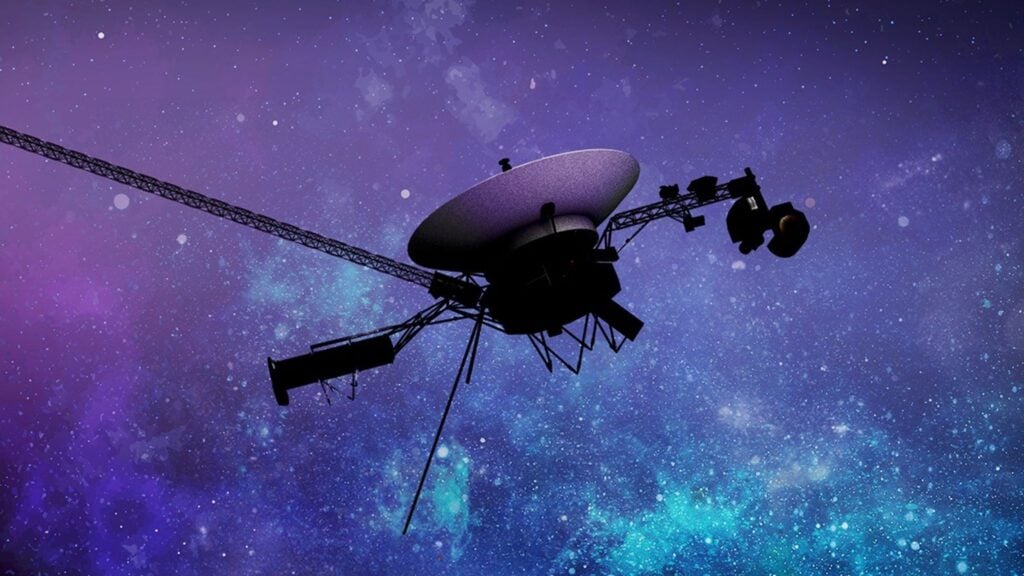
Voyager 1 remains one of the clearest examples of how spacecraft engineering can outlast expectations. Its onboard computers are often described as processing roughly 8,000 instructions per second, while a modern smartphone can handle more than 14 billion. Even with that enormous gap in computing power, Voyager 1 is still operating in interstellar space and remains farther from Earth than any other human-made spacecraft.
The contrast highlights how different space technology priorities were when Voyager 1 was built. Its computer system belongs to another era, but the mission has continued for nearly half a century. In deep space, long-term reliability can matter more than the kind of speed consumers expect from everyday electronics.
NASA engineers also continue to maintain the probe in a very old-school way. According to the report, they still have to troubleshoot and debug the aging system carefully rather than relying on modern conveniences. That means working within severe hardware limits while trying to keep a historic mission alive from an immense distance.
The Voyager 1 computer story is therefore not just about obsolete hardware versus powerful phones. It is about endurance, careful design and patient problem-solving. A machine created in the early 1970s is still helping explore the cosmos, showing that lasting performance in space is not always measured by raw processing power alone.





