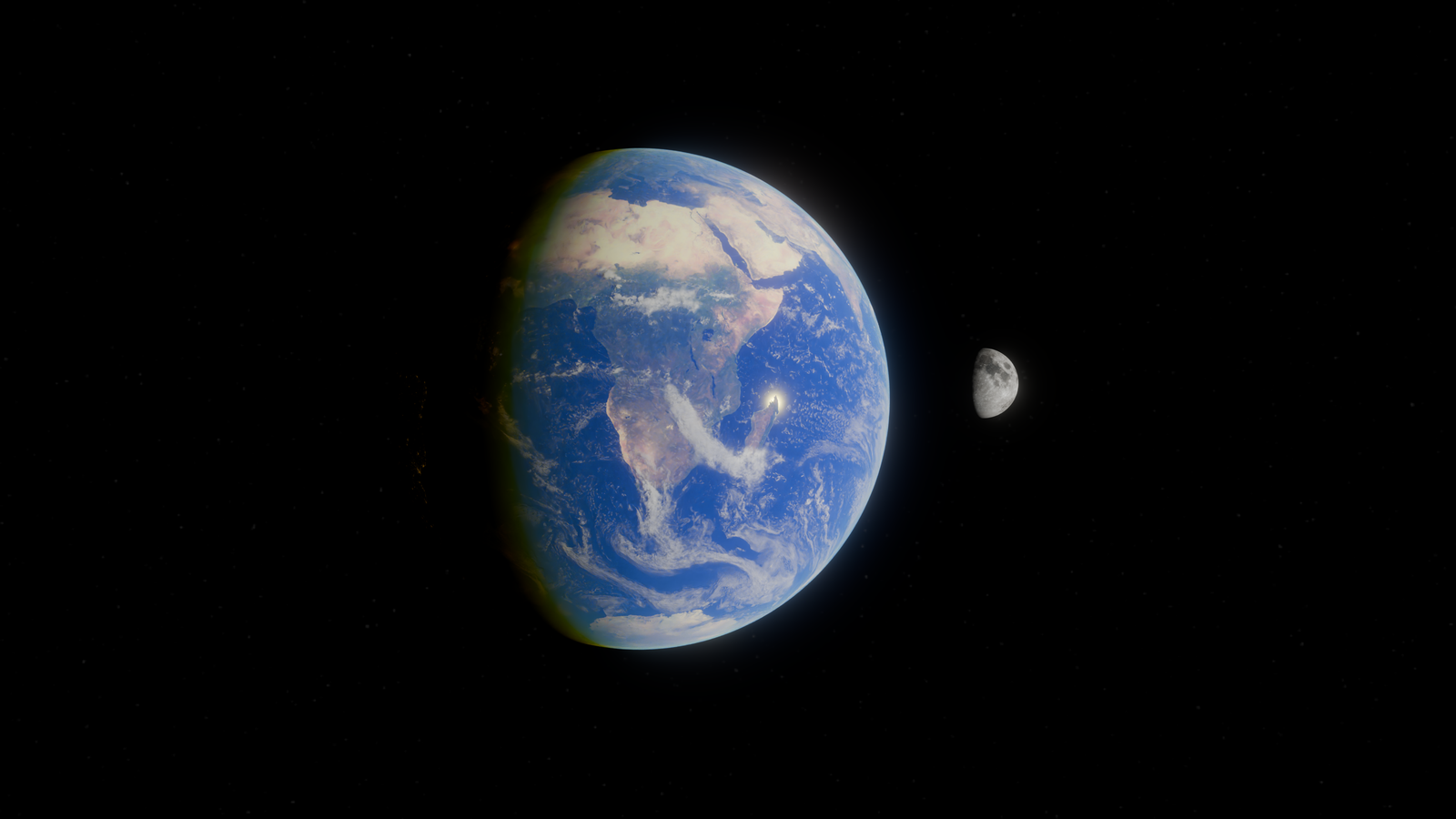
The first photograph of Earth from space did not come from an astronaut mission or an orbiting satellite. Instead, it was produced in 1946 by a captured German V-2 rocket launched from White Sands Proving Ground in southern New Mexico, with a 35mm camera bolted into its nose cone.
According to the account, the rocket lifted off on October 24, 1946, and climbed to about 65 miles above Earth. From that height, the camera captured an image showing the planet from space, creating a landmark moment in both photography and space history.
What makes the event especially striking is the technology behind it. A weapon developed for war was repurposed for scientific and technical experimentation, and the camera survived the violent trip well enough to preserve the image after the rocket fell back to the desert.
The result marked a turning point in how humans could observe their world. Long before crewed spaceflight became reality, the White Sands launch showed that rockets could carry cameras high enough to reveal Earth from above, opening the door to later advances in space imaging and exploration.