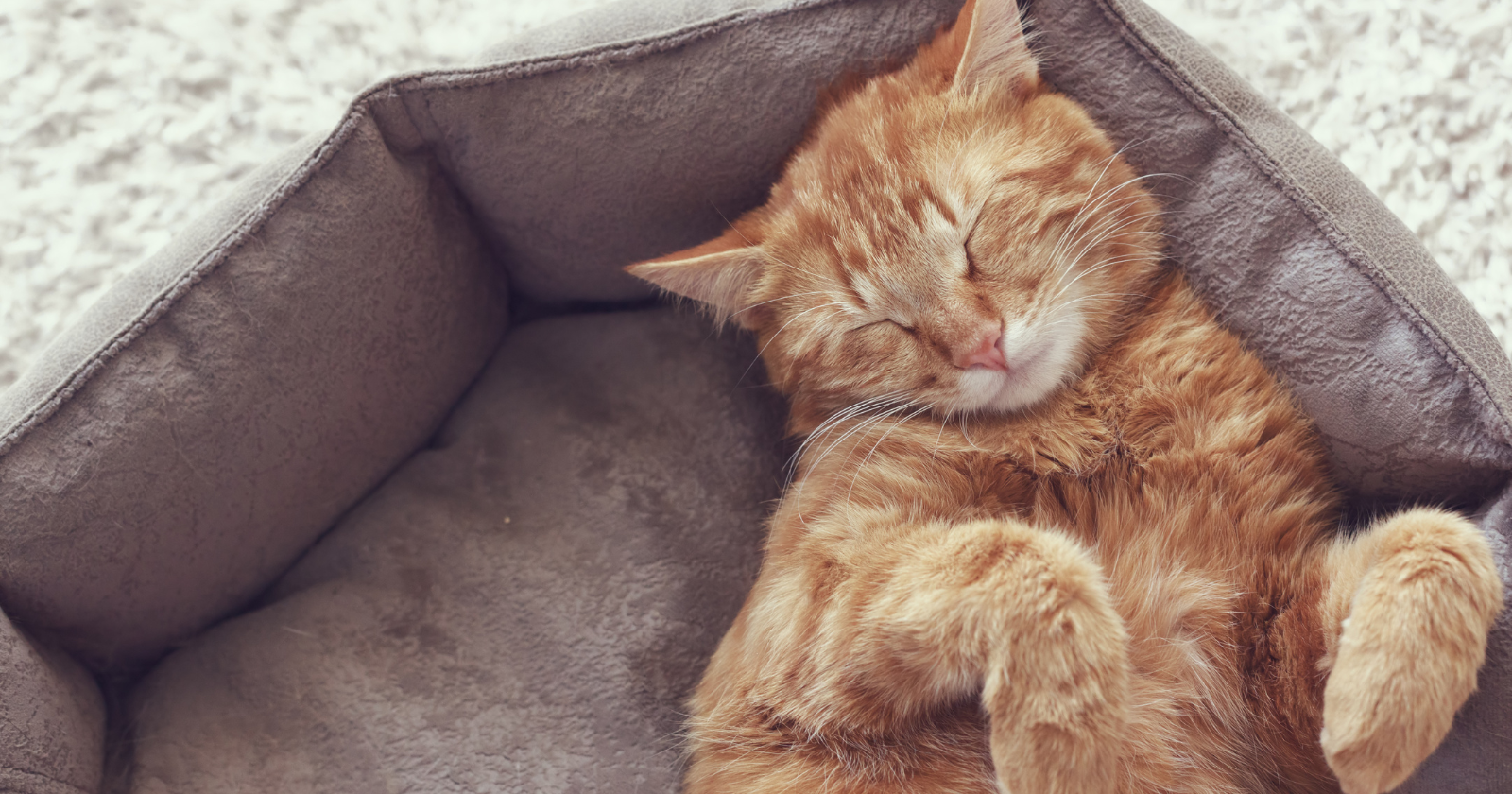
Cats can spend 12 to 16 hours a day asleep, but that does not mean they are simply lazy. The behavior makes sense when viewed through the lens of how cats hunt. Their bodies are built for brief, intense action rather than steady activity all day.
A cat may rest for long stretches, then suddenly launch into a fast chase or pounce. That kind of explosive movement demands energy in a concentrated burst. For an animal that can sprint at nearly 50 kilometres per hour, much of the day is devoted to conserving fuel for the moments that matter most.
This helps explain why a sleeping cat can appear inactive for hours and then become instantly alert. What looks like idleness is really part of a predator’s routine. Rest supports the quick reactions, speed and power needed for stalking, striking and short-distance pursuit.
In that sense, feline sleep is less about laziness and more about efficiency. Cats are adapted to save energy until it is time to use it all at once, turning long periods of rest into preparation for only a few seconds of maximum performance.