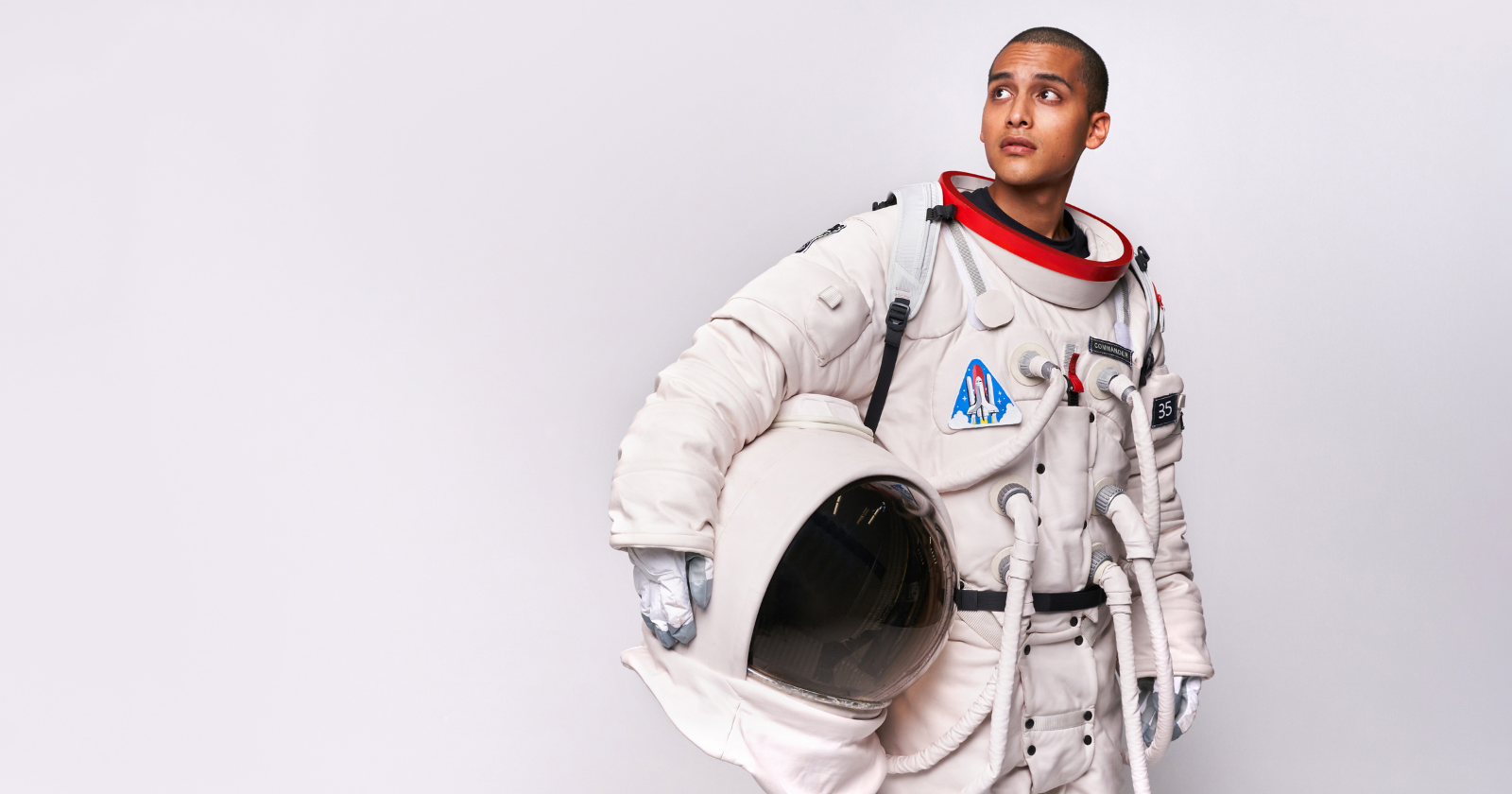
Astronauts who spend about six months in orbit are reportedly describing an unexpected challenge after landing: a lingering sense of watching their own lives from slightly outside themselves. Instead of feeling fully reconnected to ordinary routines, some say the adjustment to Earth can come with a detached, almost behind-glass perspective that lasts for weeks.
The account shifts attention away from the dramatic parts of space travel that usually get the most notice, such as launch, confinement, or the physical strain of living in microgravity. In these reports, the more difficult experience comes later, when the mission is over and astronauts are back on the ground but do not yet feel mentally settled into normal life.
That description points to a psychological side of long-duration spaceflight that can be harder to recognize than visible physical effects. Even when returning crew members appear healthy, they may still be dealing with a dissociative or observer-like sensation that leaves them feeling unmoored from their surroundings and daily interactions.
The reports add to a broader understanding of how extended time in space affects people beyond muscles, bones, and sleep cycles. As missions grow longer and human spaceflight expands, the period after reentry may be seen not just as recovery from travel, but as an important phase of mental and emotional readjustment.





