OpenAI is extending its GPT-Live voice system into desktop developer tools, bringing full-duplex speech controls to Codex and ChatGPT. The move pushes the company’s newer audio model beyond demo use and into everyday coding work, where developers can talk through tasks instead of relying only on typing.
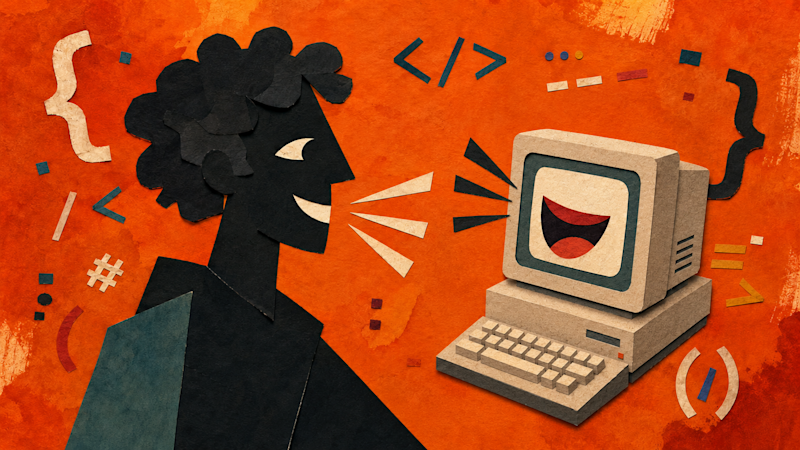
The key idea behind the update is a more natural back-and-forth. Full-duplex voice allows the system to listen and respond at the same time, which can make interactions feel closer to a live collaborator. In a coding setting, that supports a pair-programming style workflow where a developer explains a problem conversationally while the assistant helps carry out related steps.
OpenAI is positioning this as part of a broader agentic coding experience. Rather than waiting for every instruction in a rigid sequence, agents can work asynchronously on assigned tasks while the conversation continues. That could help developers stay focused on planning, debugging, and decision-making while the software handles more of the execution layer.
The update also signals how voice interfaces are becoming more central to AI-powered software development. By bringing GPT-Live’s hands-free controls directly into Codex and ChatGPT on the desktop, OpenAI is aiming to make coding assistance feel faster, more fluid, and more integrated into real developer workflows.