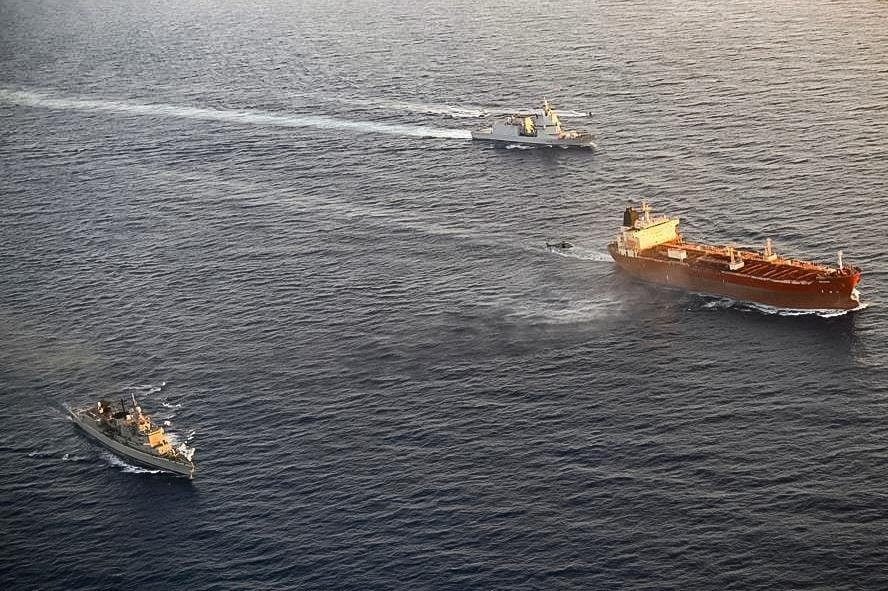
An analysis tied to tensions around the Strait of Hormuz argues that Iran’s real leverage comes from its ability to disrupt and unsettle, rather than fully control the strategic passage. That “spoiling” capacity, the piece suggests, is enough to raise the stakes for rivals and increase the risk of a broader confrontation.
The article warns that this kind of pressure could lead Donald Trump toward an even more forceful response. In that framing, a crisis around Hormuz would not simply be about naval power or territorial control, but about how limited disruption can trigger larger political and military reactions.
The writer also links that danger to Trump’s leadership style, pointing to an earlier Oval Office clash with Volodymyr Zelensky as an example of what is described as brazen hubris. The comparison is used to suggest that personal instinct and confrontation could shape decision-making in a fast-moving international standoff.
Taken together, the argument is that Hormuz remains a potent flashpoint because relatively small acts of disruption can have outsized consequences. If escalation is met with more escalation, the result could be a more reckless and unstable phase in the conflict.