/s3/static.nrc.nl/wp-content/uploads/2026/07/24102910/250726OPI_2035457109_musk.jpg)
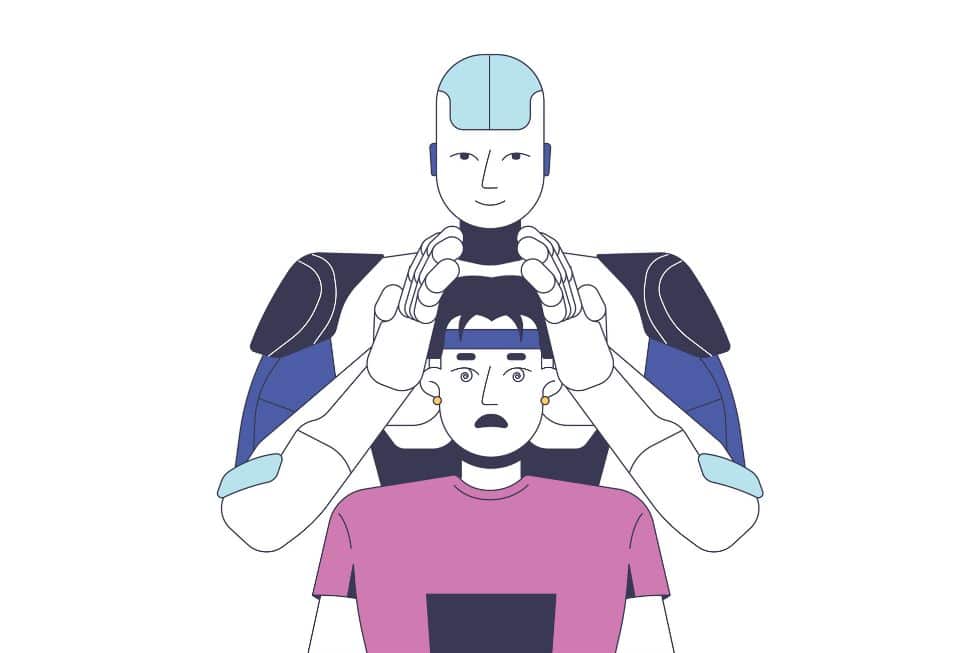
The headline question — should you be afraid of Elon Musk? — captures a wider anxiety about artificial intelligence and its sudden, accelerating progress. Musk has been among the most visible figures raising alarms about the pace and potential consequences of advanced AI, and the argument now shared by others is simple: models are improving so quickly that even their makers struggle to predict or control what comes next.
That difficulty produces what some analysts call a double challenge. First, the most capable systems may soon outperform humans on many kinds of thinking, changing how work and expertise function. Second, the societal and existential consequences of that shift are large and hard to map: from concentrated economic power to changes in public discourse and decision-making, the effects could be deep and far-reaching.
The conversation around Musk’s warnings sits at the intersection of technical uncertainty and public policy. Calls for more safety research, transparency, and regulation stem from the belief that creators themselves do not yet have reliable tools to keep pace with capability growth. At the same time, others urge measured responses that balance innovation benefits against risks, underscoring the complexity of crafting effective safeguards while technology evolves rapidly.
For the public, the immediate takeaway is not a simple binary of fear or complacency. The situation invites sustained attention: watching how developers, institutions and regulators respond, pushing for clearer standards and oversight, and supporting independent research into alignment and safety. The debate over Musk’s warnings is less about one person than about how society chooses to manage powerful technologies when even their creators say they can’t fully predict the next steps.