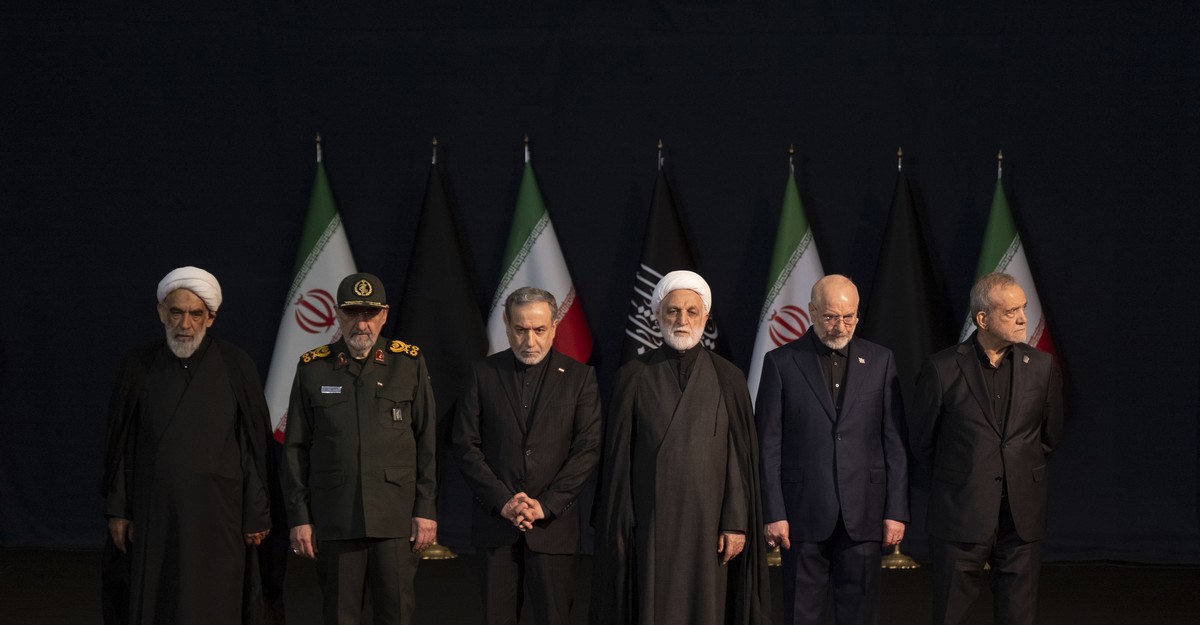
The question at the center of the discussion is whether Iran has a workable strategy as its confrontation with the United States moves into what is described as a second round. The framing leans on a familiar military idea: once events begin, even carefully designed plans can be disrupted by pressure, miscalculation, and unexpected moves.
That matters because the United States is portrayed as quietly changing its own approach rather than simply repeating its earlier posture. A subtle shift in strategy suggests Washington is reassessing the first phase and preparing for a different kind of contest in the next one.
In that context, the issue is not only whether Iran has a plan on paper, but whether it can adapt when conditions change. Any strategy would have to survive real-world friction, including the possibility that U.S. decisions alter the timing, risks, and choices available to Tehran.
The broader takeaway is that this is becoming less about fixed doctrine and more about flexibility. If the United States is adjusting for round two, the key question is whether Iran is doing the same — and whether either side can keep control once events start reshaping the original plan.