A new nuclear energy agreement between the United States and Saudi Arabia is drawing scrutiny after experts warned it could carry long-term proliferation risks. The deal, described by U.S. officials as historic, was signed by both governments this week and immediately prompted debate over what it could eventually allow inside the kingdom.
The central concern is the possibility that uranium enrichment could one day take place on Saudi soil. While nuclear energy partnerships are often framed around civilian power generation, enrichment technology is highly sensitive because it can raise fears about how nuclear capabilities might develop over time.
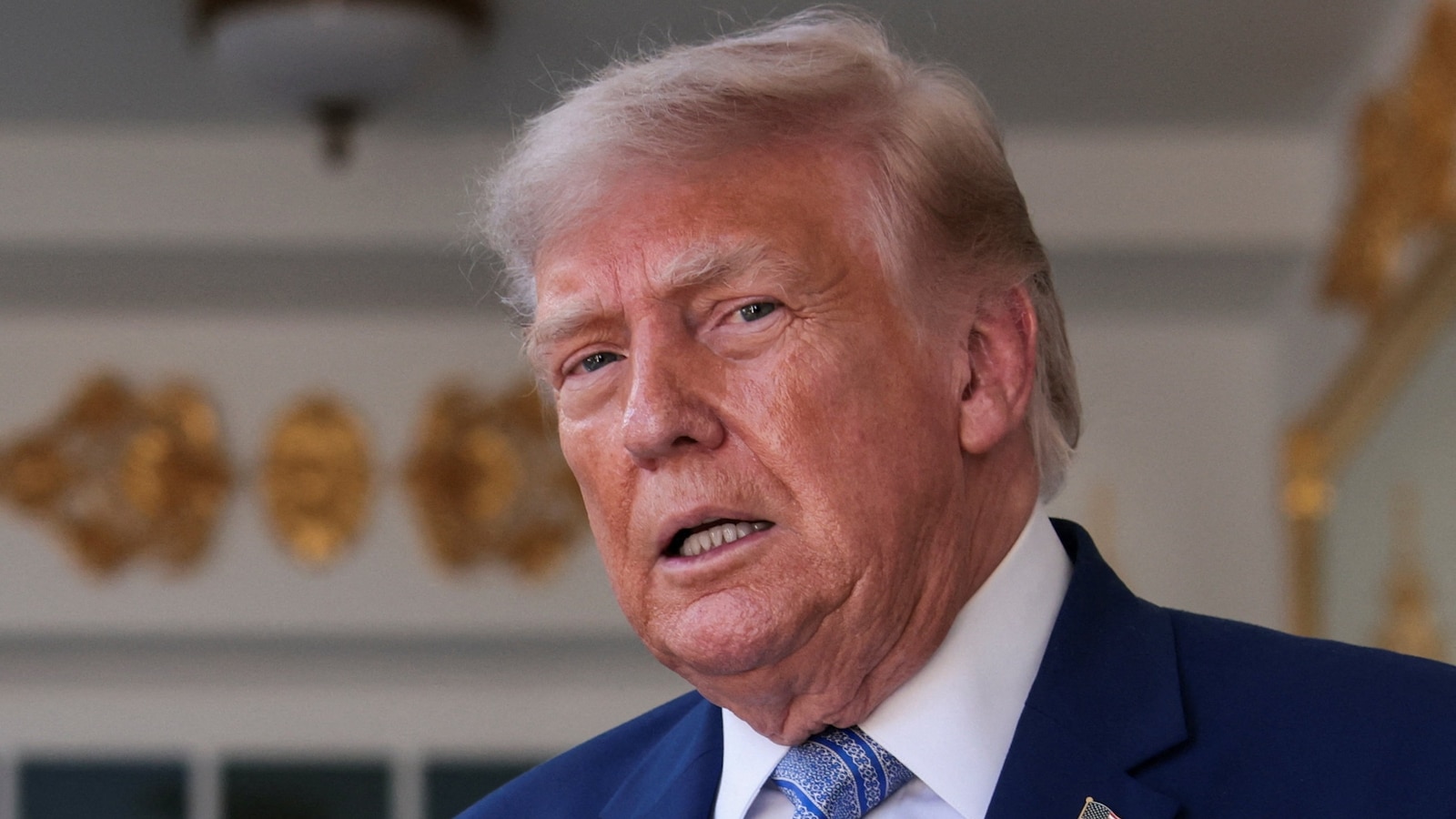
The political backdrop is also shaping the reaction. As attention turns to Donald Trump and his search for leverage in the U.S.-Saudi relationship, critics are questioning whether strategic goals are being given too much weight compared with nonproliferation safeguards. That tension is likely to remain at the center of the discussion as more details of the agreement are examined.
For proliferation specialists, the issue is not only the deal itself but the precedent it may set. Any arrangement that leaves open a future path to domestic enrichment in Saudi Arabia is likely to face close review from analysts and policymakers watching nuclear security in the region.