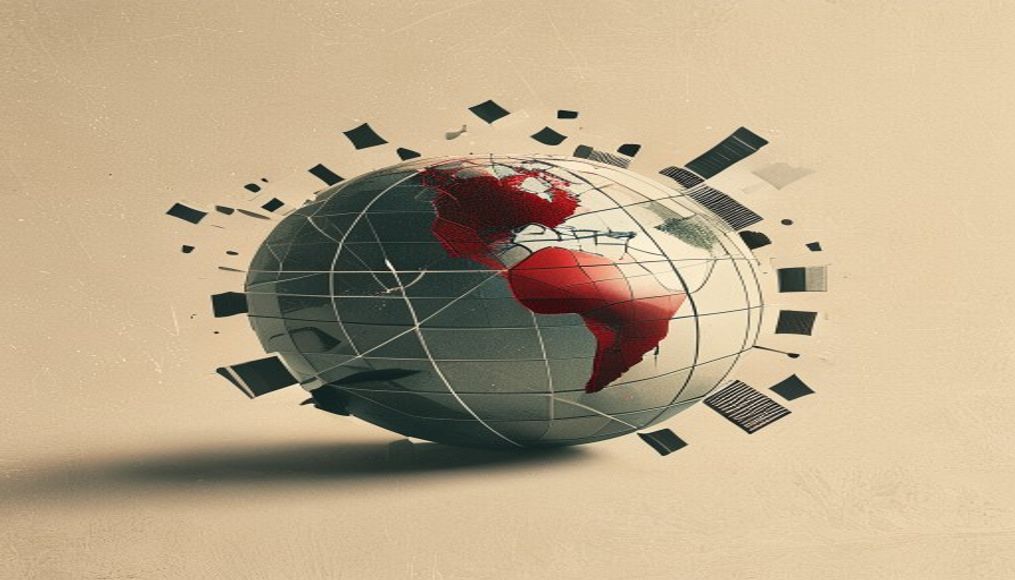
A geopolitical review dated July 24, 2026 argues that Washington is weakening its own position by combining military pressure, protectionist trade policy and broader strategic competition. The central idea is that these moves are not isolating China, but instead making Beijing more attractive to countries looking for stability, markets and diplomatic room to maneuver.
According to the summary, direct military confrontation is one of the main factors increasing global strain. The analysis suggests that when major powers raise the risk of conflict, other states often respond by diversifying partnerships rather than lining up fully behind Washington. In that framing, US pressure can accelerate a wider shift toward Beijing instead of containing it.
The review also points to trade, energy and technology as key battlegrounds in this realignment. Protectionist measures and strategic restrictions are presented as tools that may disrupt supply chains and push countries to seek alternative economic centers. That, in turn, can deepen China's role in commerce, infrastructure and high-tech cooperation.
Overall, the piece presents a broad warning about unintended consequences in US strategy. Its conclusion is that a mix of confrontation and economic defensiveness may be producing the opposite of its intended effect, encouraging more governments to hedge their bets and move closer to Beijing in an increasingly divided global order.