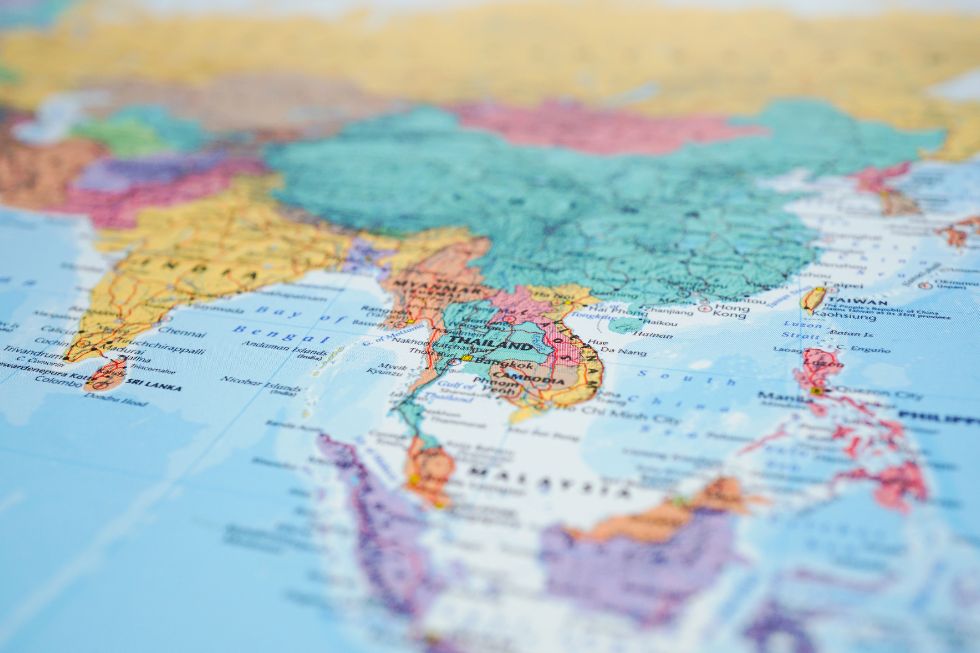
The flow of US electronic waste to Southeast Asia is drawing renewed scrutiny over its environmental and human cost. Each year, millions of tons of discarded electronics are shipped to the region, where a significant share reportedly ends up in poorly regulated dump sites instead of being handled through safe recycling systems.
When e-waste is left in uncontrolled landfills, hazardous materials can seep into soil and water. Among the main concerns are toxic metals such as lead, cadmium and mercury, which are commonly found in electronic components and can persist in the environment long after devices are thrown away.
The issue highlights the uneven global burden of digital consumption. Wealthier countries generate large volumes of obsolete electronics, while lower-cost destinations in Southeast Asia often bear the pollution risks tied to disposal and informal processing. That imbalance has fueled broader debate over responsibility, oversight and the true cost of the electronics supply chain.
At the center of the concern is what happens after old devices leave consumers’ hands. Without stronger controls on exports and safer waste management practices, the trade in e-waste can turn discarded gadgets into a long-term source of contamination for communities and ecosystems across the region.