The European Union has approved its 21st sanctions package against Russia, widening pressure on key parts of the country’s economy and war-related industries. The new round of measures expands restrictions affecting the energy, financial and military sectors, showing that Brussels is continuing to tighten its response through broader and more targeted penalties.
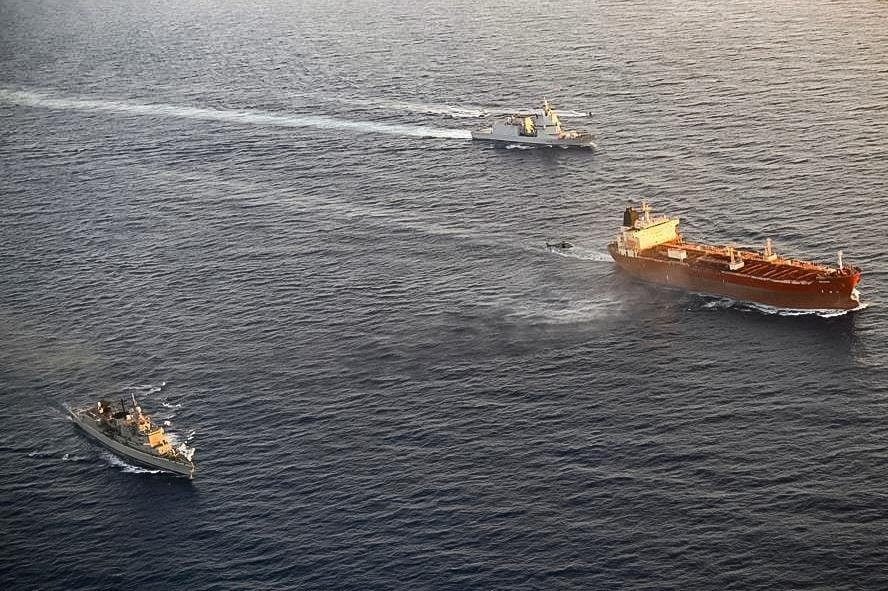
A major focus of the latest package is Russia’s so-called shadow fleet, the network of vessels used to keep energy exports moving despite earlier sanctions. The EU is adding another 41 ships to its sanctions list, increasing scrutiny of maritime activity linked to Russian trade and sanctions evasion.
The package also reaches deeper into finance, with new action aimed at banks and crypto-related channels. That signals a wider effort to limit the ways Russian entities can move money, access cross-border financial services or rely on alternative systems as traditional routes come under heavier restrictions.
Taken together, the 21st package points to an EU strategy that is no longer limited to one sector at a time. By targeting ships, financial networks and military-linked activity alongside energy interests, the bloc is trying to close gaps that have allowed Russian business and trade to keep operating under earlier sanctions.