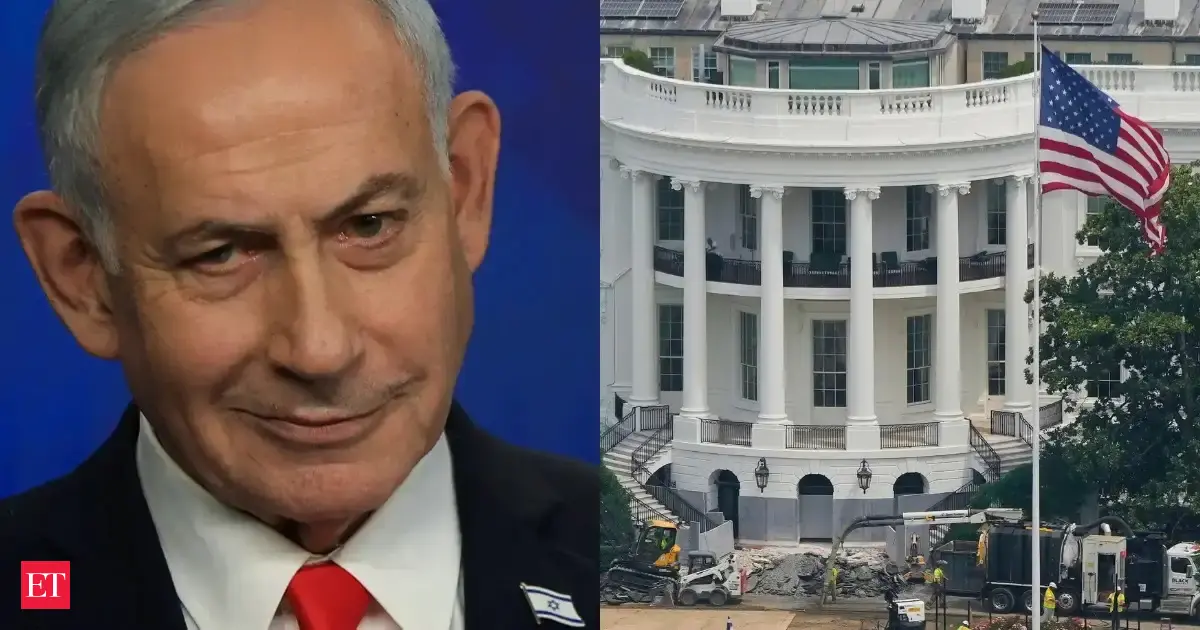
Israel’s approach to the West Bank and Gaza is moving to the center of politics as the country prepares for an October election. With Prime Minister Benjamin Netanyahu and his Likud party facing pressure in the polls, the government is advancing territorial measures that appear designed to energize conservative and nationalist voters.
The political calculation is becoming clearer as election campaigning intensifies. Netanyahu is being portrayed as betting that a more right-leaning electorate will respond positively to tougher policies linked to land, borders and Israeli control in Palestinian territories. In that context, decisions involving the West Bank and Gaza are not only policy choices but also campaign signals.
The timing matters because these moves come while Likud is trying to recover ground before voters go to the polls. By emphasizing territorial issues, the government can shift debate away from other political weaknesses and toward themes that have long mobilized its base. That makes the West Bank and Gaza central to the election narrative, not just to the broader regional conflict.
The result is a campaign environment in which policy and electoral strategy are closely intertwined. As October approaches, Israel’s election debate is increasingly being shaped by how far the government is willing to go on territorial questions and whether that approach can deliver support from the right.