The European Union has approved its 21st sanctions package against Russia, adding another round of economic pressure focused on finance, energy and trade. According to the announced measures, the bloc is broadening restrictions that affect banks, cryptocurrency networks and Russian oil-related business.
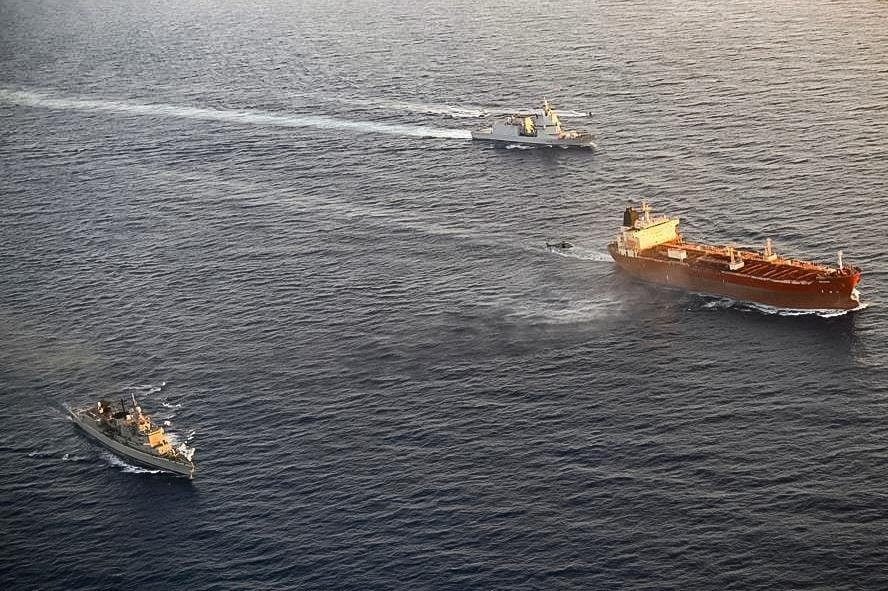
A key part of the new package is the tougher treatment of oil trade and the so-called shadow fleet linked to Russian energy exports. The measures are also aimed at reducing energy revenues, showing that Brussels is still targeting the channels that help sustain Moscow's income from oil.
The package further extends pressure beyond traditional banking by tightening action around cryptocurrency networks. That signals a wider effort by the EU to close off alternative financial routes as sanctions enforcement becomes more complex.
The bloc has also decided to keep the Russian oil price cap unchanged for the next 12 months. Taken together, the 21st package shows the EU maintaining its sanctions strategy while expanding its reach into shipping, finance and digital transaction networks tied to Russia.