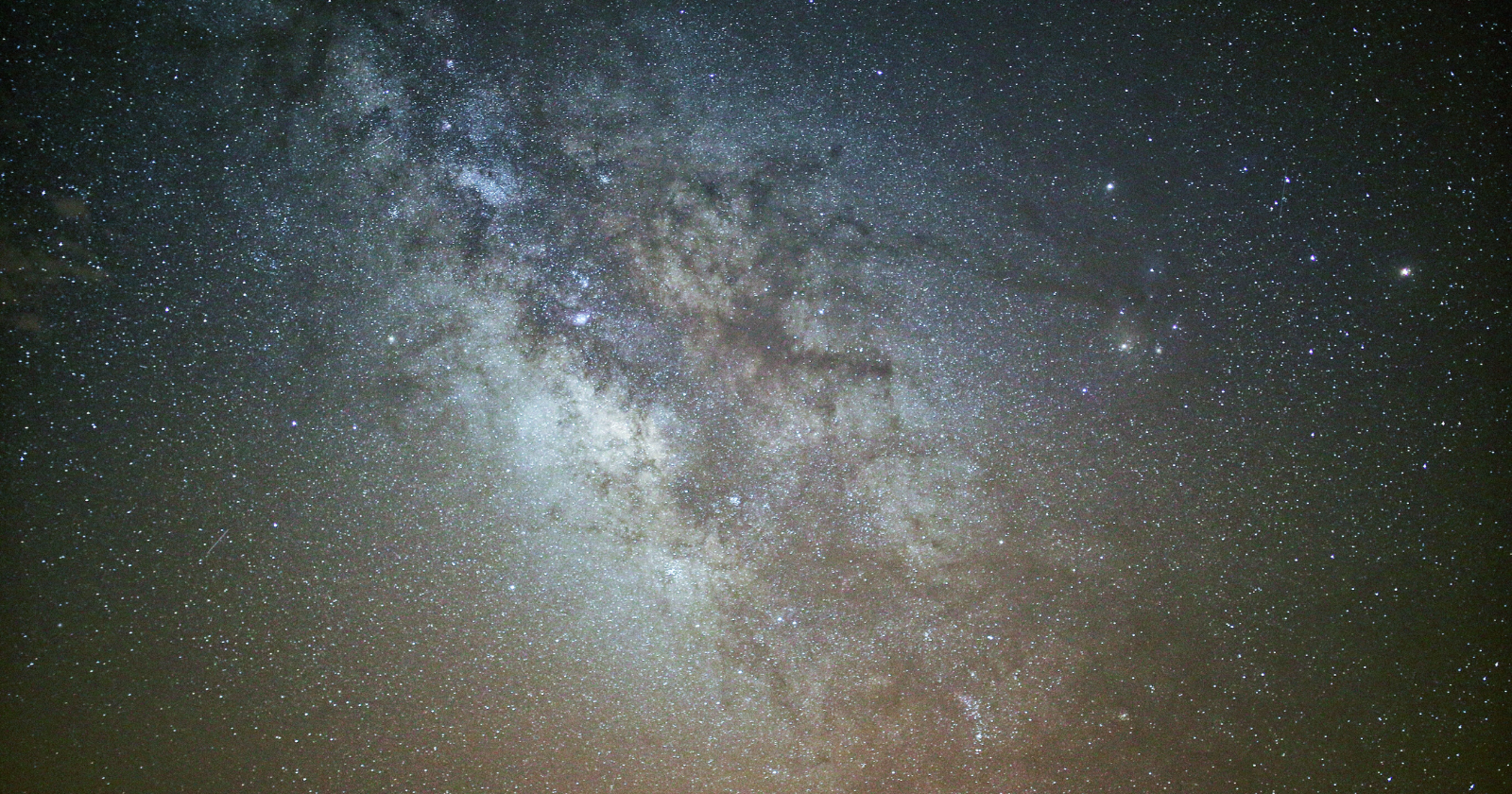
A major new sky survey began in Chile in June 2025 as the Vera C. Rubin Observatory switched on the largest digital camera ever built for astronomy. The instrument, roughly the size of a small car, carries 3,200 megapixels across 189 sensors and has now produced its first public images.
The launch marks the start of a planned 10-year campaign to repeatedly map the sky with extraordinary depth and detail. Scientists expect the observatory’s wide-field view and huge imaging power to transform the search for faint, distant objects that are hard to detect with older systems.
One of the biggest goals tied to the project is the hunt for a still-unseen world far beyond the known major planets of the solar system. By scanning the heavens again and again, researchers hope to spot subtle movement and other clues that could reveal a previously hidden outer planet.
The observatory is named for Vera C. Rubin, the astronomer widely known for providing the first strong evidence for dark matter. With first images now released from the Chilean mountaintop site, the new camera begins what could become one of the most important planetary and cosmological surveys of the next decade.





